Deal-Hunting Guides
How to Spot Counterfeit Products on Amazon and eBay
Has been buying open-box and returned stock for over a decade, and built Warehouse Watcher to stop losing track of it.
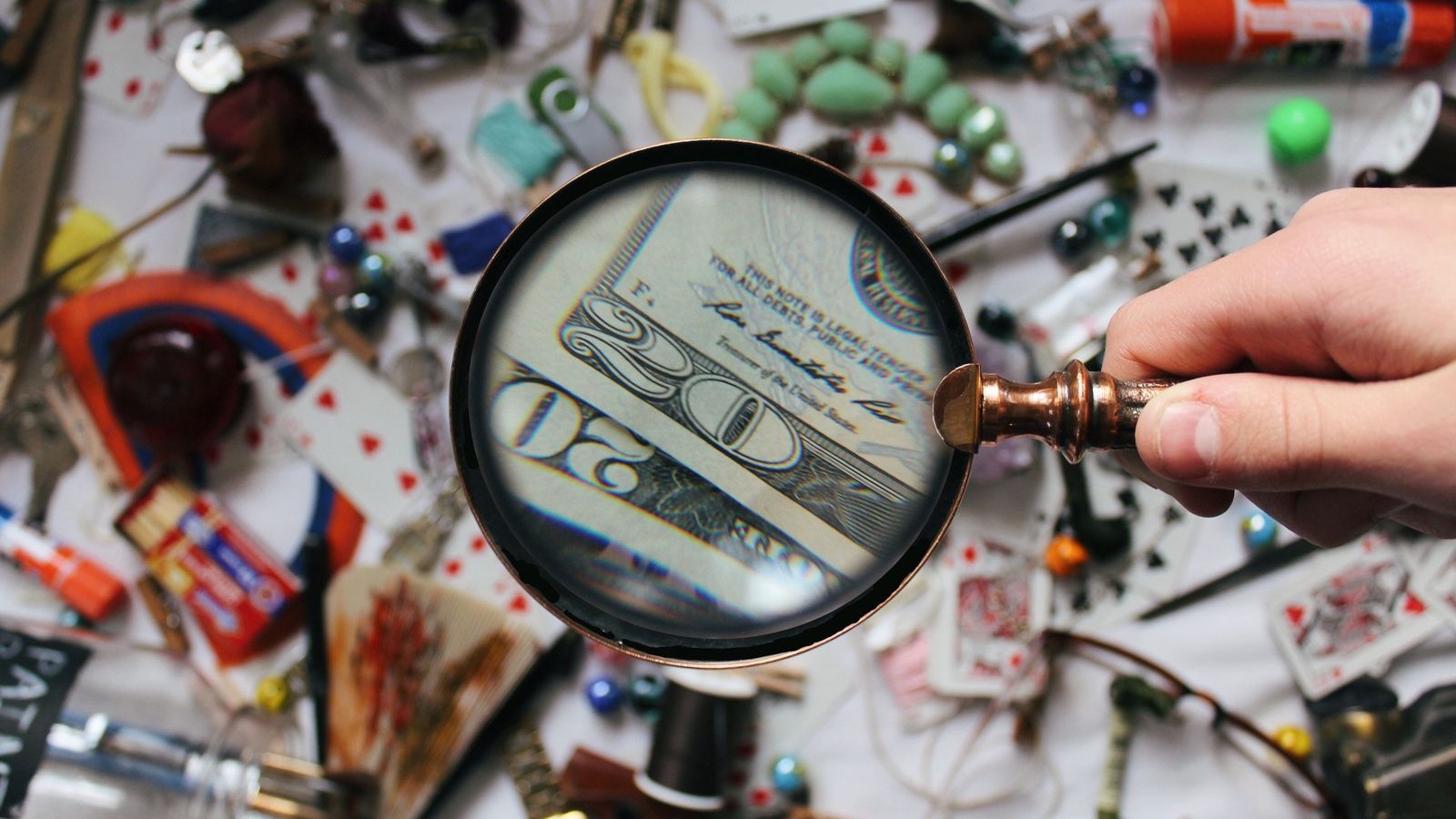
Here is how to spot counterfeit products before you pay for one: check who is actually selling it, compare the price against the brand's own site, read the reviews for authenticity complaints, and inspect the packaging the day it arrives. One of those four checks catches most fakes. All four together catch nearly all of them, and they take about a minute.
This matters more than it used to, because the fakes got smarter. Counterfeiters no longer sell a $20 knockoff of a $200 product and hope you do not notice. Many now charge close to full price, copy the packaging down to the serial number sticker, and ride on listings with thousands of real reviews. A deal too good to be true is still a warning, but it is no longer enough on its own. WarehouseWatcher tracks open-box, sales and lightning deals across seven countries, and a fake at any price is not a deal, so run this filter before you buy.
How to spot counterfeit products: start with the seller, not the price
The listing page tells you who you are really buying from, but Amazon and eBay both bury it in small print. On Amazon, look for the Sold by line next to the buy box. Sold by the brand itself or Sold by Amazon is the safe end of the spectrum. Sold by a name you have never heard of, especially a string of random letters like SUNHZMCKP, is the other end. Click the seller's name and read their storefront before you buy: a real seller has a coherent catalogue, a business address and feedback from thousands of buyers. A counterfeit seller has a junk storefront selling phone cases, garden furniture, perfume and AirPods in the same shop, a perfect feedback score built on a handful of ratings, and a business address in a country where that brand has no authorised distribution.
Three seller checks that take seconds each:
- Read Sold by and Ships from separately. Fulfilled by Amazon only means Amazon handles shipping. It is not a verification badge, and the product still comes from the third-party seller named in the Sold by line.
- Check the seller's age and feedback. A brand-new seller with almost no history, labelled Just launched, selling a heavily counterfeited brand at a discount is the single most common fake listing pattern on both marketplaces.
- Search the brand's own site for an authorised retailers page. If the seller is not listed there, treat the listing as unauthorised. Amazon lets sellers describe themselves; only the brand can confirm them.
On eBay the same logic applies. A seller in a country with no authorised distribution for the brand, offering delivery measured in weeks, is selling grey-market or counterfeit stock far more often than a bargain.
The price test: when a deal is too good, it usually is
Price is still the fastest filter you have. Open the manufacturer's official site in another tab and compare. A listing 20 to 30 percent below the manufacturer's price, outside any real sale event, is a strong counterfeit signal. Authorised retailers buy at wholesale and cannot undercut the brand by a third and stay in business. The discount itself is the tell, not the price in isolation.
Two complications. First, counterfeiters have learned this too, and many now price fakes within a few dollars of the real thing, so a normal price is no longer proof of authenticity. That is why the seller and packaging checks matter as much as the price. Second, genuine deals do exist at that depth, which is why you should check a price against a deal feed instead of your gut. A 30 percent drop that shows up on US deals, Canada deals or UK deals with a real price history behind it is a sale. The same drop from a Just launched seller with no history is a warning. And if the discount is attached to a countdown timer, read How Lightning Deals Work first, because a fake discount is the oldest trick in the book and it works best under time pressure.
Read the reviews like a detective
Reviews are the most useful counterfeit detector on the page. Sort by most recent, filter to reviews with images, and search inside them for the words fake, counterfeit, authentic and not genuine. Real complaints about authenticity are specific: the scent is wrong, the stitching is uneven, the serial number does not verify on the brand's site. Vague five-star praise is not evidence of anything.
Watch for these three patterns:
- Reviews describing a completely different product. That usually means the seller hijacked a legitimate listing, keeping its thousands of good reviews and swapping in a fake product underneath them.
- A sudden burst of hundreds of five-star reviews within the same week, all in generic language with no specific detail. Real buyers mention the thing they bought; review farms mention nothing at all.
- A cluster of recent one-star reviews saying the product broke, smelled wrong or looked different from the photos, sitting under a listing whose overall rating is still four stars or higher. The average hides the story; the recent reviews tell it.
On eBay, read the seller's feedback the same way. A seller with 99 percent positive feedback and a dozen recent complaints saying never arrived or not as described is a seller whose old score is doing work their current behaviour does not deserve.
Inspect the box the day it arrives
Counterfeiters copy logos well and fail at micro-details, so the box is where most fakes finally give themselves away. Open the package the day it arrives and compare it against the official product photos on the brand's site before you throw anything away. Check the font weight and spelling on the packaging, the alignment of QR codes and barcodes, the quality of the embossing, the cap threading on a bottle, and whether the batch or lot number is printed at all. On skincare and fragrance, a smell like nail polish remover or cheap alcohol is a complaint buyers report again and again on fakes. On electronics, check the serial number on the brand's verification page, where one exists, and keep the packaging until you have.
Some brands make this easy. Amazon's Transparency program puts a unique scannable code on every unit of enrolled products, which Amazon scans at its fulfilment centres before shipping and which you can scan yourself with the Transparency app. If a product you bought claims Transparency enrolment and has no code, or the code does not scan, that is your answer. Project Zero is the brand-side counterpart: enrolled brands can remove counterfeit listings themselves instead of waiting on Amazon, and Amazon's automated protections scan billions of listings a day looking for fakes. Neither program covers every brand, so their absence is not a red flag on its own, but their presence is a check worth using.
One more distinction worth knowing: open-box is not counterfeit. A returned or open-box item from Amazon Warehouse or a reputable retailer is a genuine product that someone sent back, usually with a condition grade and a return window. If that distinction is new to you, Amazon Warehouse Deals Explained covers what the condition grades mean and when open-box beats new. A fake, by contrast, was never genuine at any price.
The protections that actually help: eBay Authenticity Guarantee and Amazon A-to-z
eBay's Authenticity Guarantee is the strongest protection on either marketplace, because the check happens before the item reaches you. On eligible listings the seller ships to an independent authenticator, not to you, and the item is only forwarded once it passes a physical inspection. In the US the program covers watches at $2,000 and up, handbags and jewellery at $500 and up, trading cards at $200 and up, and sneakers from around $100. In the UK, watches at £1,500 and up and apparel at £200 and up are covered free, with an optional paid check on lower-priced items. Look for the blue Authenticity Guarantee tick on the listing. If the item you want is covered, buy the covered listing even if an uncovered one is cheaper.
On Amazon, your protection is the A-to-z Guarantee, which covers items that arrive not as described, and a counterfeit qualifies. Photograph the packaging and the item before you return anything, report the listing as counterfeit through Amazon's Report a Violation page, and start the return. If the seller pushes back, escalate through Amazon's help pages rather than arguing with the seller, and keep your photos: they are your evidence if you end up disputing the charge with your card issuer. In the UK you can also report the seller to Trading Standards through Citizens Advice, and in the EU and Canada your consumer protection agency takes the same reports. A single report rarely gets a seller shut down, but reports are what feed the automated systems that do.
The verdict is simple. Buy from the brand, from Amazon itself, or from a seller you can verify, and run the four checks in this guide on everything else. The minute of checking is the cheapest part of the purchase.
Frequently asked questions
Are counterfeit products common on Amazon?
Yes, and the scale is the reason this guide exists. Amazon says its automated protections scan more than 5 billion listings a day for suspected counterfeits, and most fakes never reach a buyer. But third-party sellers still slip through, especially on popular brands like Apple audio, LEGO, designer fragrance and high-end skincare. The checks in this guide take about a minute and catch most of what the filters miss.
Does Fulfilled by Amazon mean the product is genuine?
No. Fulfilled by Amazon only means Amazon stores, packs and ships the item. It says nothing about whether the unit is genuine, and the seller behind it can still be anyone. The label that does mean something is Transparency: enrolled brands put a unique code on every unit, Amazon scans it before shipping, and you can scan it yourself with the Transparency app.
Can I get a refund if I bought a counterfeit product on Amazon?
Yes. Photograph the packaging and the item first, then report the listing as counterfeit and start a return. Amazon's A-to-z Guarantee covers items that are not as described, and a counterfeit qualifies. If the seller pushes back or the return window has closed, escalate through Amazon's help pages and, as a last resort, dispute the charge with your card issuer using the photos as evidence.
What should I do if eBay sends me a fake?
Open an Item not as described case under eBay Money Back Guarantee and include photos of whatever gave it away: wrong stitching, misspelled packaging, a serial number the brand cannot verify. If the item was covered by Authenticity Guarantee, it was already inspected before it reached you, so a fake getting through is rare, and eBay refunds you in full when the authenticator rejects it.