Deal-Hunting Guides
Sony WH-1000XM6 vs Bose QuietComfort Ultra (2nd Gen): Which ANC Headphones Win?
Has been buying open-box and returned stock for over a decade, and built Warehouse Watcher to stop losing track of it.
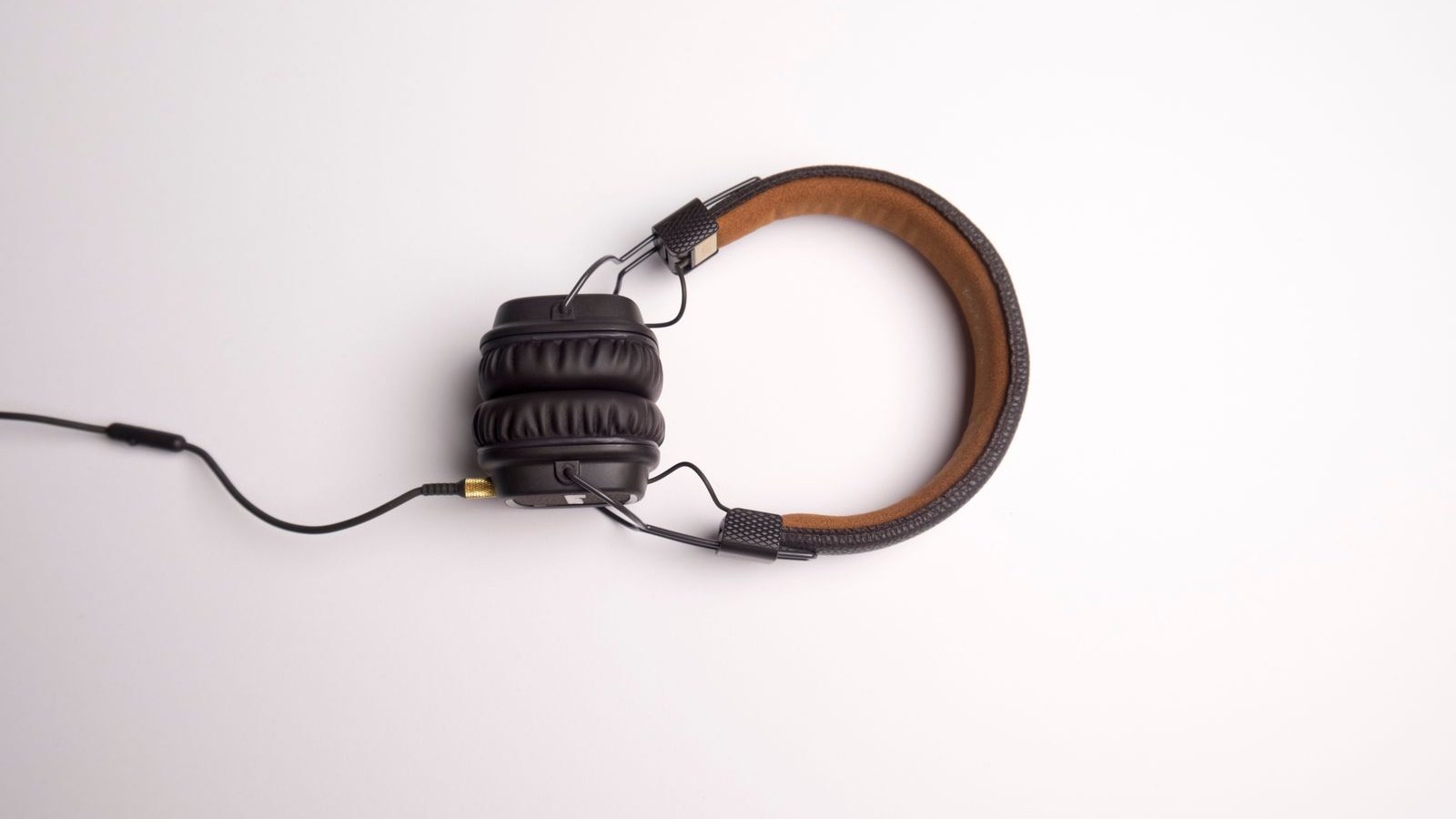
Sony WH-1000XM6 vs Bose QuietComfort Ultra 2nd Gen is the flagship noise-cancelling debate that will not die, because both headphones are right. The Sony WH-1000XM6 is the tech pick: a faster QN3 noise-cancelling chip, 12 microphones, LDAC high-resolution audio and the best call quality in the class. The Bose QuietComfort Ultra Headphones (2nd Gen) is the comfort pick: CustomTune calibration, Immersive Audio, USB-C lossless listening and the easiest fit to wear all day. Thesis: buy the Sony if you commute, travel and take calls; buy the Bose if you wear headphones all day and comfort decides everything.
Ask this question in any headphone forum and the thread splits the same way every time. Sony owners point to the spec sheet and the call quality. Bose owners point to their ears after eight hours. Both camps are describing a real difference, so this guide gives a winner per buyer instead of a draw.
Disclosure: As an Amazon Associate, Warehouse Watcher earns from qualifying purchases. Product links below are affiliate links and don't change the price you pay. Learn more.
Sony WH-1000XM6 vs Bose QuietComfort Ultra 2nd Gen: the spec sheet
Both launched at US$449, both weigh about 250 g, and both fold down for travel. The differences sit in the details.
- Noise cancelling: Sony HD Noise Cancelling Processor QN3 with 12 microphones; Bose CustomTune with 10 microphones
- Battery with ANC on: Sony 30 hours (40 with ANC off); Bose 30 hours (23 with Immersive Audio, 45 with ANC off)
- Drivers: Sony 30 mm; Bose 35 mm
- Bluetooth: Sony 5.3 with SBC, AAC, LDAC and LC3; Bose 5.4 with SBC, AAC and aptX Adaptive
- Wired listening: Sony 3.5 mm jack; Bose 2.5 mm jack plus USB-C lossless audio
- Spatial audio: Sony 360 Reality Audio Upmix for Cinema; Bose Immersive Audio plus a Cinema Mode for video
- Call microphones: Sony 6 dedicated voice mics; Bose 4-mic system with SpeechClarity
- Weight: Sony 254 g; Bose about 250 g
- Quick charge: Sony 3 minutes for 3 hours of playback
- Multipoint: both pair with two devices at once
- In the box: Sony folding case, USB-C cable and headphone cable; Bose folding case, USB-C cable and 2.5 mm to 3.5 mm cable
The Sony wins the spec sheet on paper. The Bose wins the parts of the spec sheet you feel rather than read.
Noise cancelling and sound: Sony wins the tech, Bose wins the warmth
Put both on a plane and you will struggle to tell them apart: low engine rumble disappears on either pair. The gap opens in messier noise. The Sony's QN3 chip processes sound faster, so it copes better with voices, keyboard clatter and the mid-frequency sounds that fill offices and cafes. The Bose counters with a calmer, warmer presentation that suits long sessions, and its CustomTune scan measures your ears and tunes the sound to them.
For music, the Sony is the more flexible pair. LDAC support means higher-resolution wireless audio on Android, and the 10-band equalizer in Sony's app lets you shape the sound properly. The Bose has no LDAC, which matters if you stream high-resolution audio, but it has the better wired story: plug in over USB-C and you get lossless audio from a laptop, something the Sony cannot do. If you listen mostly on Spotify or Apple Music over Bluetooth, neither codec gap will change your day.
Verdict on sound: Sony for noise cancelling in busy places and for wireless hi-res listening; Bose for relaxed long sessions and wired lossless listening.
Comfort, calls and everyday use: the Bose comeback
This is where the Bose earns its price. At about 250 g with deep, soft ear cushions and a lighter clamp, it is the pair you forget you are wearing. Glasses wearers notice the difference most: the Bose cushions press less on the arms of your glasses over a long workday. The Sony is comfortable too, but its firmer clamp and warmer ear cups show up after a few hours, and the touch controls take a week to trust.
Calls are the Sony's revenge. Six dedicated voice microphones with AI noise reduction make it the clear winner for video meetings and phone calls in noisy rooms, and reviewers consistently rate its call quality ahead of the Bose. The Bose is fine for calls, just not special. One more practical difference: the Sony folds again, fixing the XM5's flat-only design, and its magnetic-clasp case is smaller than the Bose case. The Bose folds flat too, but its case is the bulkier of the two.
One watch item on the Sony: in October 2026, user reports collected on Reddit described a plastic ring above the XM6 hinge cracking after months of use. It is far from universal and Sony has not confirmed a defect, but check the hinge carefully when yours arrives and keep the receipt. Verdict on everyday use: Bose for all-day comfort, Sony for calls and travel.
Sony WH-1000XM6 vs Bose QuietComfort Ultra 2nd Gen: pros and cons
Sony WH-1000XM6, the case for it:
- Strongest noise cancelling in the class, especially against voices and mid-frequency noise
- Best call quality of any flagship ANC headphones, with 6 dedicated voice microphones
- LDAC high-resolution wireless audio and a proper 10-band equalizer
- 30 hours of battery with ANC on, plus a 3-minute charge for 3 hours of playback
- Folds again with a slim case, and keeps playing while it charges
Sony WH-1000XM6, the case against it:
- Firmer clamp and warmer ear cups over long sessions, and less friendly to glasses wearers
- No USB-C audio, so wired listening is analogue only
- Touch controls take time to learn and are easy to trigger by accident
- Early user reports of a plastic ring above the hinge cracking, worth checking on arrival
Bose QuietComfort Ultra Headphones (2nd Gen), the case for it:
- The most comfortable flagship ANC headphones you can wear all day, especially with glasses
- CustomTune ear calibration and Immersive Audio with a Cinema Mode for video
- USB-C lossless audio for wired listening from a laptop
- 30 hours of battery with ANC on, and 45 hours with ANC off
- Simple controls and a cleaner, less fussy app
Bose QuietComfort Ultra Headphones (2nd Gen), the case against it:
- No LDAC, so no high-resolution wireless audio for Android listeners
- Noise cancelling trails the Sony slightly on voices and mid-frequency noise
- Call quality is good but clearly behind the Sony on video meetings
- The case is bulkier than the Sony's, and the 2.5 mm jack needs the included cable
Price, deals and the verdict: which headphones to buy
Both headphones launched at US$449, and neither is worth paying full price for. Recent sale sightings put the Sony near US$380 and the Bose near US$370, and both drop further around Black Friday and Prime events. In Canada the Bose lists at CA$599.99 at Staples, and the Sony is sold on Amazon.ca, so check the Canada deals feed before ordering north of the border. In the UK, Germany, France, Italy and Spain both are sold through Amazon's local stores, and the same rule applies: the list price is a ceiling, not the price.
Commuters and frequent flyers: buy the Sony WH-1000XM6, the stronger noise cancelling, the better calls and the smaller case. All-day wearers and glasses wearers: buy the Bose QuietComfort Ultra Headphones (2nd Gen), the pair you will still be comfortable in at 5 pm. Wired listeners with a laptop: Bose, for USB-C lossless audio. Android hi-res listeners: Sony, for LDAC. Either way, do not pay list: both go on sale constantly, and a claimed discount is worth checking with our guide on how to spot fake discounts. Still deciding? Our how to choose noise-cancelling headphones guide covers what matters before you spend US$400.
Frequently asked questions
Which has better noise cancelling, the Sony WH-1000XM6 or the Bose QuietComfort Ultra 2nd Gen?
The Sony, by a small but real margin. Its QN3 chip and 12-microphone array handle voices, keyboard clatter and other mid-frequency noise a touch better than the Bose, which is strongest against low, steady rumble like engines and air conditioning. On a plane or a train the two are near-identical; in a busy office or cafe the Sony pulls ahead.
Is the Bose QuietComfort Ultra 2nd Gen more comfortable than the Sony WH-1000XM6?
For most heads, yes. The Bose is about 250 g with deep ear cushions and a lighter clamp, and glasses wearers consistently report less pressure over long sessions. The Sony is comfortable too at 254 g, but its clamp is firmer and the ear cups run warmer.
Which is better for phone calls and video meetings, the Sony XM6 or the Bose QC Ultra 2?
The Sony. Its six dedicated voice microphones with AI noise reduction keep your voice clear on calls in noisy rooms, while the Bose uses a four-microphone call setup. Both support multipoint pairing with two devices, so switching between laptop and phone is easy either way, but for back-to-back video meetings the Sony is the safer pick.
Should I wait for a sale to buy the Sony WH-1000XM6 or the Bose QuietComfort Ultra 2nd Gen?
Yes, if you can wait a few weeks. Both launched at US$449 and both have already been spotted below list, with recent sale sightings near US$380 for the Sony and near US$370 for the Bose, and open-box units of both turn up on Amazon Warehouse. Check the [US deals](https://warehousewatcher.com/us), [Canada deals](https://warehousewatcher.com/ca) and [UK deals](https://warehousewatcher.com/uk) feeds first.