Deal-Hunting Guides
Amazon Warehouse Deals Explained: Are Open-Box Items Worth It?
Has been buying open-box and returned stock for over a decade, and built Warehouse Watcher to stop losing track of it.
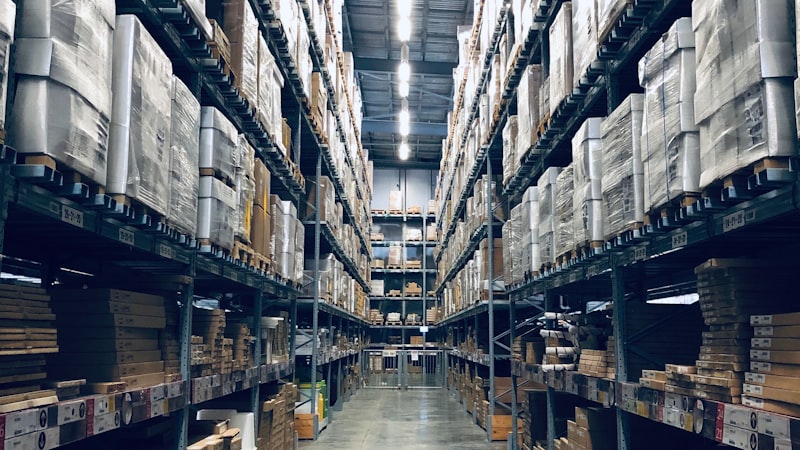
Amazon Warehouse, renamed Amazon Resale in some storefronts, is where Amazon sells returned and packaging-damaged items at a discount. It is the most consistent source of real markdowns on Amazon, and the most misread: shoppers either assume everything there is junk, or assume "Like New" means new.
Neither is true. Here is how to read it.
What is Amazon Warehouse?
When someone returns an item, or a box gets crushed in transit, Amazon usually can't resell it as new even if the product inside was never touched. So Amazon inspects it, assigns a condition grade, and relists it at a discount tied to that grade.
A large share of what lands there is a brand-new product in an ugly box. Someone else's change of mind becomes your discount. Longtime warehouse-deal buyers report the condition descriptions are accurate far more often than not: a "cosmetic imperfection" note usually means exactly that, and the product works fine.
What the condition grades actually mean
Four grades, from safest to most lottery-like:
- Used - Like New: works perfectly, packaging damaged or missing. Often indistinguishable from new once it's out of the box.
- Used - Very Good: lightly used or handled, small cosmetic marks possible, may be repackaged and missing manuals or minor accessories.
- Used - Good: visible wear, higher chance of missing accessories.
- Used - Acceptable: clearly worn but functional. The deepest discounts and the most variance.
The grade matters less than the condition note under it. That note says things like "item will come repackaged" or names the missing accessory, and it describes the actual unit you'll receive. The product photos don't; they show the item as new.
Like New and Very Good are where most of the value is. Below that, the discount has to be dramatic before it beats the uncertainty.
Can you return Amazon Warehouse items?
Yes. Warehouse items are sold and shipped by Amazon, so the standard 30-day return window applies. If the item arrives worse than the condition note described, send it back. That return window is what makes open-box buying on Amazon low-risk compared to auction sites or marketplace sellers.
What you may lose is the manufacturer warranty. Some manufacturers only honor warranties for the original retail purchaser, and an item sold as used doesn't always qualify. For a $30 kitchen gadget, that hardly matters. For a $600 TV, do the math before deciding.
Watch out for the fake-discount trap
One catch worth knowing: the "was" price next to a Warehouse listing sometimes comes from a third-party seller who marked the new price up, which makes the used discount look bigger than it is. In the worst case the Warehouse price equals what the item normally costs new. The defense is the same as everywhere else: compare the price against what the item sells for new at other stores before assuming the markdown is real.
How to find Amazon Warehouse deals
Two ways on Amazon itself: check the "New & Used from..." offers on any product page you're already looking at, or browse the Amazon Warehouse storefront directly. The storefront works, but it's slow to dig through and inventory is single units. When a listing sells, it's gone, and the well-priced ones in popular categories sell within hours.
Deal trackers and searchable warehouse-deal databases close that gap by indexing fresh listings so you can scan recent Amazon Warehouse deals in one place instead of refreshing Amazon category pages all day.
Before you buy: the sanity check
- Compare against the new price after coupons. Sometimes new is within a couple of dollars.
- Compare against the current new price at other stores so you know the discount is real.
- Read the condition note. A missing charger can erase the entire savings.
- Earbuds, razors, anything hygiene-adjacent: decide your own comfort level before the grade tempts you.
And if everything checks out, don't deliberate overnight. These are single units. The listing bookmarked tonight is frequently gone by morning.
Frequently asked questions
Is Amazon Warehouse the same as Amazon Resale?
Yes. Amazon has been rebranding Amazon Warehouse as Amazon Resale in several storefronts. Same program: inspected returns and packaging-damaged items, graded and discounted, sold and shipped by Amazon.
Are Amazon Warehouse items tested before resale?
Amazon inspects returned items and grades their condition, but this is an inspection, not a full factory test. That is why the 30-day return window matters: if the unit arrives worse than described, return it.
Why are Amazon Warehouse deals gone so quickly?
Each listing is typically one physical unit, not a stocked product. Once that unit sells, the listing disappears. Well-priced items in popular categories often sell within hours of appearing, which is why deal trackers watch them continuously.