Deal-Hunting Guides
Nintendo Switch 2 vs Steam Deck OLED: Which Handheld Wins in 2026?
Has been buying open-box and returned stock for over a decade, and built Warehouse Watcher to stop losing track of it.
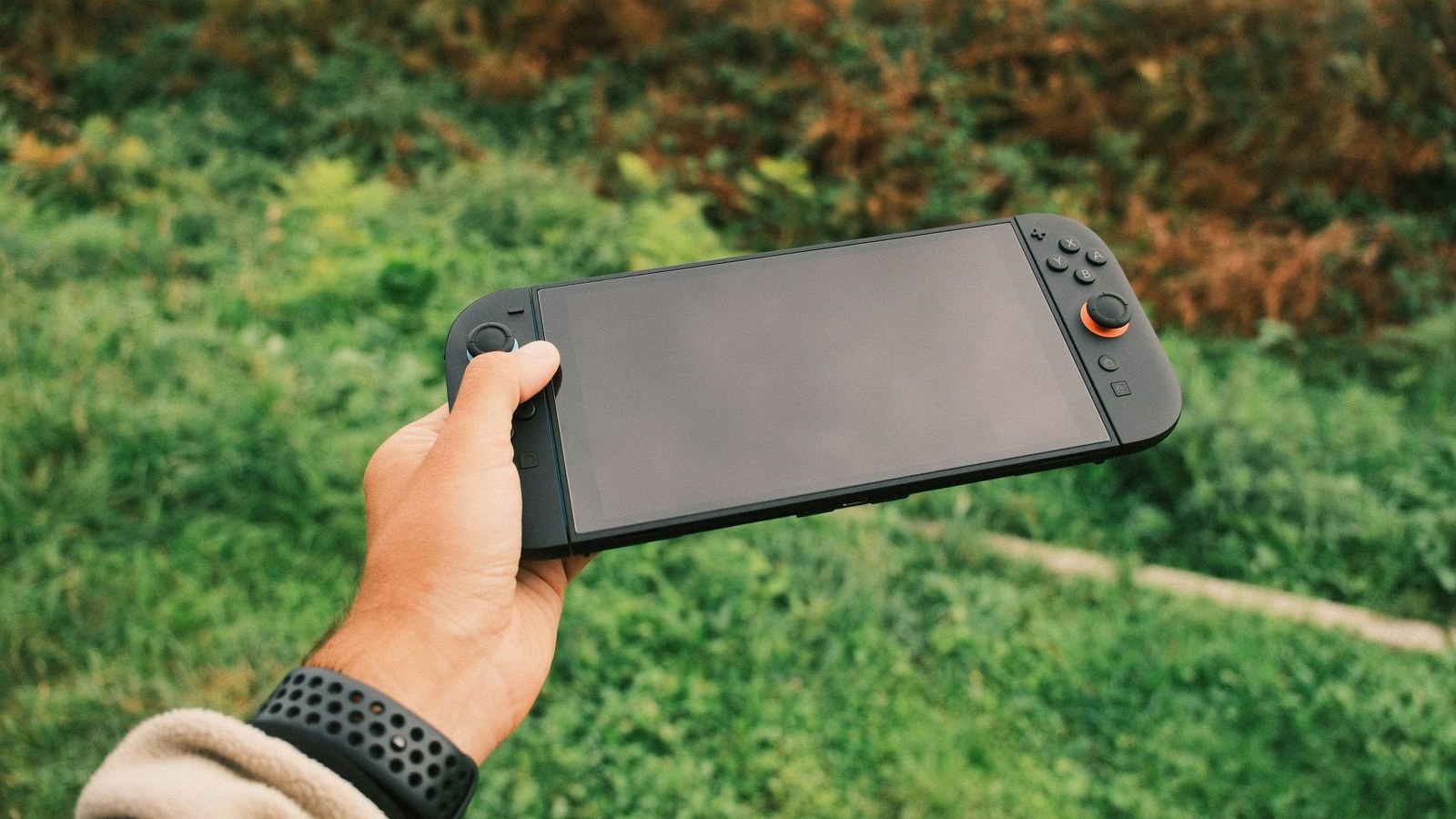
Nintendo Switch 2 vs Steam Deck OLED is the handheld argument filling r/NintendoSwitch and r/SteamDeck right now, and it got sharper in 2026 when both companies raised prices. The Switch 2 costs $499.99 in the US, up from $449.99 on September 1, 2026. The Steam Deck OLED 512GB costs $789, up from $549 on May 27, 2026. The gap nearly tripled, from $99 to $289. This is no longer a close call on price: it is a choice between two machines that do not play the same games at all.
The thesis: buy the Switch 2 for Nintendo exclusives, a dock in the box and the cheapest way in. Buy the Steam Deck OLED if you own a Steam library, want the better screen and longer battery, or want a handheld PC you can open and tinker with.
Disclosure: As an Amazon Associate, Warehouse Watcher earns from qualifying purchases. Product links below are affiliate links and don't change the price you pay. Learn more.
Nintendo Switch 2 vs Steam Deck OLED at a glance
- US list price: Nintendo Switch 2 $499.99; Steam Deck OLED $789 (512GB) or $949 (1TB)
- Canada: Switch 2 CA$679.99; Steam Deck OLED CA$1,129 (512GB) or CA$1,349 (1TB)
- UK: Switch 2 £419.99; Steam Deck OLED £649 (512GB) or £779 (1TB); Europe: Switch 2 €499.99, Deck OLED €779
- Screen: Switch 2 7.9-inch 1080p LCD, HDR, up to 120Hz; Deck OLED 7.4-inch HDR OLED, 1280x800, up to 90Hz
- Storage: Switch 2 256GB, microSD Express only; Deck OLED 512GB or 1TB NVMe, standard microSD
- Battery: Switch 2 2 to 6.5 hours; Deck OLED 3 to 12 hours
- Weight: Switch 2 542 g; Deck OLED 640 g
- Dock: Switch 2 dock included, 4K up to 60fps; Deck Docking Station sold separately, $79
The price gap nearly tripled in 2026
Both handhelds got more expensive in 2026, and the Deck got hit harder. Nintendo raised the Switch 2 by $50 in the US on September 1, 2026, from $449.99 to $499.99, citing memory costs and market conditions; Canada went from CA$629.99 to CA$679.99 and Europe from €469.99 to €499.99. Valve raised the Deck OLED far more on May 27, 2026: the 512GB jumped from $549 to $789, a 43 percent rise, and the 1TB from $649 to $949.
A year ago the Deck OLED cost $99 more than the Switch 2; now it costs $289 more, CA$449 in Canada. The Switch 2 is the clear winner on sticker price, and the only one that comes with a dock in the box. The Deck's official Docking Station costs another $79 in the US, CA$109 in Canada.
One way to close the gap: Valve's certified refurbished store has listed the 512GB OLED from $439 and the 1TB from $519, with the same one-year warranty as new, though both were out of stock in the US and Canada in mid-October 2026. On Amazon, the Switch 2 is sold by Amazon itself at $499, while Deck OLED listings are third-party sellers typically asking $876 or more for the 512GB model, above Valve's $789. If you want a Deck, buy direct from Valve's Steam store.
Screens, power and battery: the hardware trade-off
On paper the Switch 2 is stronger: a bigger, sharper 7.9-inch 1080p screen at up to 120Hz with HDR, roughly 3 teraflops docked against about 1.6 for the Deck, and 4K output up to 60fps. The Deck OLED's screen is smaller and lower resolution at 1280x800, but it is an OLED panel, and that matters more in your hands than the spec sheet. Blacks are truly black, colours pop, and in a side-by-side look most people pick the Deck's screen.
Battery is the Deck's clearest hardware win. Valve rates it at 3 to 12 hours; reviewers get 3.5 to 4 hours on demanding 3D games and 10 or more on light ones. Nintendo rates the Switch 2 at 2 to 6.5 hours, and demanding games drain it in about 2 to 2.5 hours. On a long flight with a heavy game, the Deck lasts roughly an hour longer.
The Switch 2 fights back on versatility. Lighter at 542 g against 640 g, it works as a handheld, a tabletop machine and a TV console, and the magnetic Joy-Con 2 controllers detach for instant two-player games, with GameChat built in. The Deck is a single-player handheld PC with trackpads and a desktop mode, and a machine you are allowed to open: owners swap batteries and SSDs themselves. The Switch 2 is the one you hand to a friend. The Deck is the one you open up.
The games decide it: exclusives vs a whole PC library
This is where the comparison stops being about hardware. The two machines share no game library, so the games you want decide the purchase before any spec does. The Switch 2 is the only place to play Nintendo exclusives: Mario Kart World, Donkey Kong Bananza and Pokemon Legends: Z-A, plus the full original Switch back catalogue. It sold 19.86 million units in its first fiscal year, so it is where your friends are playing.
The Deck OLED runs your Steam library, hundreds of games deep for many PC gamers, plus indies, older AAA games and emulation through SteamOS and Proton. Steam sales routinely cut prices by 50 percent or more, so the library gets cheaper over time. Xbox Game Pass does not run natively, but it works through cloud streaming in the browser, and installing Windows is an option for tinkerers.
The Reddit threads agree: these are not rivals for the same buyer. Switch 2 owners talk about exclusives, family play and the dock. Deck owners talk about backlogs, Steam sales and a machine they can repair. List the five games you actually want to play next. Whichever machine runs more of them is your answer.
Price and deals: where to watch for a drop
Black Friday lands on November 27, 2026, and both machines will be dressed up in sale banners, so check price history before believing any claimed discount. Nintendo raised the Switch 2's price in September and has said it is not planning another increase, so no cut is coming. The best Switch 2 deal is usually a bundle: the Mario Kart World bundle was $549.99 and the Sports Resort bundle $529.99, each with a game and three months of Nintendo Switch Online.
For the Deck OLED, Valve has not announced Black Friday pricing, and no discount showed on any new or refurbished model as of mid-November. The real saving is the certified refurbished store, where the 512GB OLED has appeared from $439. Open-box Deck units also show up on Amazon from third-party sellers, but check the seller and return terms first: Valve's warranty does not travel with a reseller. Our guide to how to spot fake discounts covers the 60-second check, and Amazon Warehouse deals explained walks through the open-box grades. WarehouseWatcher tracks open-box, sales and lightning deals for both handhelds across seven countries, so check the US deals, Canada deals and UK deals feeds. Two real buy links: the Nintendo Switch 2 on Amazon and the Steam Deck OLED 512GB on Amazon. If the Deck is in stock on Valve's Steam store, buy it there instead of paying a reseller markup on Amazon.
The verdict: Nintendo Switch 2 vs Steam Deck OLED, who should buy which
Buy the Nintendo Switch 2 for Nintendo exclusives, family and couch multiplayer, a dock in the box and the cheaper machine. At $499.99 in the US and CA$679.99 in Canada it is $289 less than the cheapest new Deck OLED, and the only way to play Mario Kart World, Donkey Kong Bananza and Pokemon Legends: Z-A. Buy the Steam Deck OLED if you already own a Steam library, want the better screen and longer battery, or want a handheld PC you can open and tinker with. Platform-free and price-sensitive? Switch 2. Library already on Steam? The Deck pays for itself in games you own.
Nintendo Switch 2: pros and cons
- Pro: Nintendo exclusives you cannot play anywhere else, plus the full Switch catalogue
- Pro: Cheapest machine here: $499.99 US, CA$679.99 Canada, €499.99 Europe
- Pro: Dock in the box, 4K TV output up to 60fps, detachable Joy-Con 2 for two-player
- Pro: Bigger, sharper 7.9-inch 1080p screen, up to 120Hz with HDR
- Pro: Lighter at 542 g
- Con: Short battery on demanding games, about 2 to 2.5 hours
- Con: LCD screen, so blacks and contrast lag the Deck
- Con: Only microSD Express cards work for expansion, and they cost more
- Con: Price went up $50 in September 2026; bundles are the only real discount route
- Con: No Steam library, no desktop mode, no user-replaceable battery
Steam Deck OLED: pros and cons
- Pro: Gorgeous 7.4-inch HDR OLED screen, true blacks, 90Hz
- Pro: Best battery here, 3 to 12 hours, about an hour longer on heavy games
- Pro: Plays your existing Steam library, with deep Steam sale prices
- Pro: A real handheld PC: desktop mode, trackpads, emulation, replaceable parts
- Pro: Certified refurbished units from $439 with a full one-year warranty
- Con: Expensive now: $789 for 512GB, up 43 percent from $549
- Con: No Nintendo exclusives, no native Xbox Game Pass app
- Con: Heavier at 640 g, dock costs another $79
- Con: Amazon listings are third-party sellers above Valve's price; buy direct from Steam
- Con: No Deck 2 date set; Valve says it waits on a big chip jump
Still torn? Our Steam Deck vs ROG Ally guide compares the Deck against its closest Windows rival.
Frequently asked questions
Which is better, Nintendo Switch 2 or Steam Deck OLED?
Buy the Nintendo Switch 2 if you want Nintendo exclusives, a dock in the box and the cheaper machine. Buy the Steam Deck OLED if you already own a Steam library, want the better screen and longer battery, or want a handheld PC you can tinker with. There is no single winner: the Switch 2 wins on price and games you cannot get anywhere else, the Deck OLED wins on screen, battery and library freedom.
Is the Steam Deck OLED worth it at $789?
Yes, if you already own a Steam library. At $789 for the 512GB model the Deck OLED costs $289 more than the Switch 2, but it plays thousands of PC games you may already own, often at deep Steam sale prices, and Valve's certified refurbished store has listed the 512GB OLED from $439 when stock is available. It is not worth $789 if you mainly want Nintendo games, because none of them run on it.
Can the Steam Deck OLED play Nintendo Switch games?
No. Nintendo exclusives such as Mario Kart World, Donkey Kong Bananza and Pokemon Legends: Z-A run only on Switch hardware, and the Switch 2 does not run Steam at all. The two machines share no game library, so start with the games you want to play, not the spec sheet. The Deck OLED does run a huge range of PC games through SteamOS and Proton, including many indie titles and older AAA games.
Which has better battery life, Switch 2 or Steam Deck OLED?
The Steam Deck OLED wins. Valve rates it at 3 to 12 hours depending on the game, and reviewers get 3.5 to 4 hours on demanding 3D titles. Nintendo rates the Switch 2 at 2 to 6.5 hours, and demanding games drain it in about 2 to 2.5 hours. On light games both stretch much further, but for a long flight with a heavy game, the Deck OLED lasts roughly an hour longer.
Should I wait for a Steam Deck 2 or a Switch 2 price drop?
Probably not. Nintendo raised the Switch 2 from $449.99 to $499.99 in the US on September 1, 2026, and has said it is not planning another increase, not a cut. Valve has said a Steam Deck 2 waits on a chip that delivers a big performance jump without hurting battery life, and no date is set. Your best shot at a saving is Black Friday on November 27, 2026, or a refurbished Deck OLED from Valve's certified store when stock returns.