Deal-Hunting Guides
Open Box vs Refurbished vs Used: What You're Really Buying
Has been buying open-box and returned stock for over a decade, and built Warehouse Watcher to stop losing track of it.
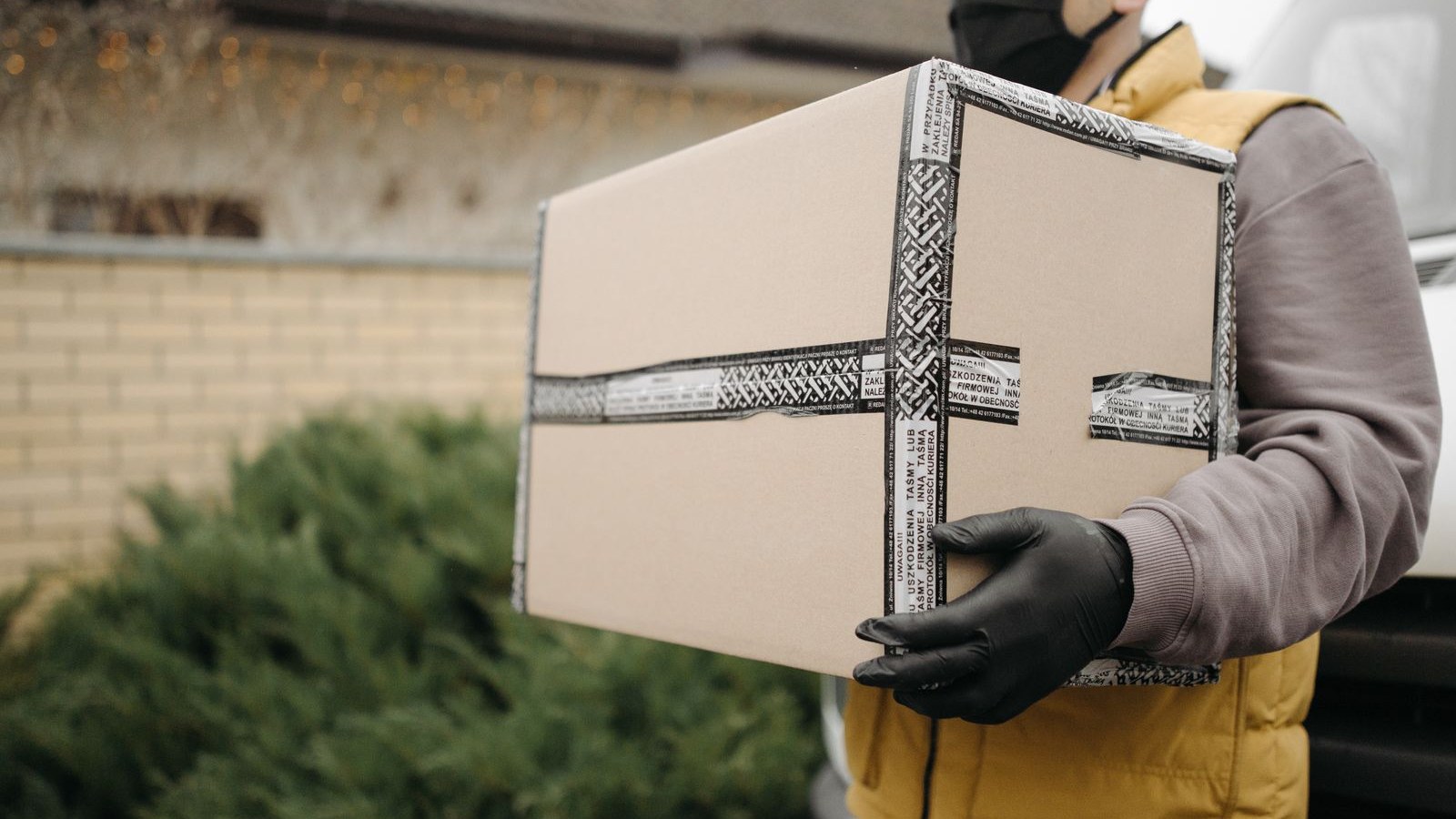
Open box vs refurbished is the question that decides whether your bargain is a steal or a repair bill. The two labels sound like synonyms, but they describe completely different histories. An open-box item was bought, opened and returned, usually untouched. A refurbished item was bought, used or returned, then inspected, repaired and tested before going back on sale. One is a returned product. The other is a repaired product. That difference decides the warranty you get, the testing it went through, and how much you should pay.
Here is the short version: buy open-box when the item is barely used and the discount is real, buy manufacturer-refurbished when you want a warranty that actually means something, and buy used only when the price is low enough to cover a surprise. The rest of this guide shows you how to tell the three apart, and which label wins for laptops, phones, TVs and headphones.
Disclosure: As an Amazon Associate, Warehouse Watcher earns from qualifying purchases. Product links below are affiliate links and don't change the price you pay. Learn more.
Open box vs refurbished vs used: what each label actually means
Open-box is the simplest label. Somebody bought the item, opened the packaging, and returned it, often because they changed their mind, bought the wrong size, or received a duplicate gift. The retailer inspects it, grades its cosmetic condition, and resells it at a discount. Nothing was repaired, because nothing was broken. The original parts and the original warranty usually come with it: a nearly new product for less, with most of the new-buy protections intact.
Refurbished, also sold as renewed or restored, is a different story. The item was returned because something was wrong, or it was a demo, a lease return or a trade-in. A technician opened it up, replaced worn parts, tested it against the manufacturer's spec, and put it back in a box. How good that process is depends entirely on who did it: a manufacturer refurbishment, like Apple's, is a different product from a third-party refurbishment by a seller you have never heard of.
Used, or pre-owned, is the loosest label. It means the item was owned and used, and the seller is passing it on as it is, with no inspection standard, no repair, and no warranty beyond what the seller or marketplace promises. A used listing can be a one-year-old laptop in perfect shape or a five-year-old TV with a dying backlight, and the label tells you nothing about which one you are getting. That is why used is the cheapest label, and why it demands the most homework.
Open-box grades: what Like New and Excellent really get you
Amazon Resale, formerly Amazon Warehouse, is where most shoppers meet open-box. Items are graded Used - Like New, Very Good, Good or Acceptable, and the grade describes cosmetics, not function: everything is tested to work. Like New means perfect condition with possibly damaged packaging; Very Good means light wear and maybe repackaging; Good means visible wear and possibly missing accessories; Acceptable means clearly worn, and you may need to source a cable yourself. Like New is the grade to hunt. Read our full breakdown of Amazon Warehouse condition grades before you shop the feed.
Best Buy grades open-box as Excellent, Good or Fair. Excellent looks and works like new, with all original parts and packaging. Good may have minor scratches and be missing non-essential parts. Fair may have larger dents and missing accessories. Best Buy says open-box items carry the same manufacturer warranty and the same return policy as new items, 15 days for most shoppers, longer for My Best Buy members. Discounts on Excellent are usually 10 to 20 percent off new.
The same pattern holds in the UK and Europe. Currys sells refurbished tech under its own guarantee, and MediaMarkt in Germany and Spain lists open-box and refurbished stock alongside new. Read the condition description rather than trusting the headline word. The US deals, Canada deals and UK deals feeds surface open-box listings as they appear.
Refurbished, renewed and restored: who fixed it matters most
Manufacturer-refurbished is the gold standard, and Apple sets it. Apple Certified Refurbished devices go through full testing, arrive with a new battery and outer shell for iPhones and other iOS devices, include all accessories and cables, and carry a one-year limited warranty with AppleCare available to buy. The discount is usually around 15 percent off new, which looks small until you compare it with a no-name refurbished phone at 30 percent off and no warranty at all.
Amazon Renewed is the next tier down and still a real programme. Renewed products are inspected and tested to work and look like new by an Amazon-qualified supplier, with minimal to no visible wear, and they come with a 90-day replacement or refund guarantee if the product does not work as expected. That 90-day guarantee is the key difference from Amazon Resale: Resale grades a returned item, Renewed guarantees a repaired one. Browse Amazon Renewed laptops to see how pricing compares with open-box grades for the same models.
Retailer and third-party refurbished is where you need to read the fine print. Geek Squad Certified items at Best Buy are tested, sanitised and cosmetically graded by Geek Squad technicians, and carry a 90-day Geek Squad warranty. Walmart Restored items are professionally inspected, cleaned and repaired to work like new, with 90-day returns and a warranty. eBay Certified Refurbished items are inspected by the manufacturer or an approved refurbisher and come with a warranty and a 30-day return window. Anything with no warranty at all is not refurbished, it is used with better marketing.
Used and pre-owned: the cheapest label, the weakest safety net
Used listings have one advantage and it is a big one: price. A used item from a private seller is often 30 to 50 percent below new, deeper than any open-box or refurbished discount. The trade is that you are buying the seller's word. There is no grading standard, no testing protocol, and usually no warranty. In the US, a seller can mark an item as-is, which lets them disclaim the usual implied warranties where state law allows it. On a marketplace, your protection is the platform's buyer guarantee, typically 30 days. Used is fine for simple, durable items where failure is obvious in the first week, but a bad buy for anything with a battery, a screen or a motor that can fail slowly.
If you do buy used, buy it like an inspector. Ask for the serial number and check it against the manufacturer's warranty lookup before paying. Ask how old the battery is and how many charge cycles it has. And run the full open-box inspection checklist in the first 48 hours.
Open box vs refurbished: which label should you buy?
Buy open-box when the item is barely used and the grade is top tier. Headphones, TVs, small appliances and game consoles are the sweet spot: they are usually returned because someone changed their mind, they are easy to test in ten minutes, and a Like New or Excellent grade is genuinely close to new. A TV at 15 percent off in Open-Box Excellent with the full warranty is a better buy than the same TV new.
Buy manufacturer-refurbished when the item is expensive, battery-powered, or something you will keep for years. Phones and laptops are the obvious cases. A manufacturer-refurbished iPhone or MacBook with a new battery, a new shell and a one-year warranty at 15 percent off is a smarter buy than an open-box one at 10 percent off with an unknown battery. Pay the small premium for the warranty, because a battery replacement alone costs more than the discount you saved.
Buy used only when the discount beats the risk by a wide margin, and only from a seller with a return window. Skip used for anything where a hidden fault is expensive: laptops with soldered batteries, OLED TVs with burn-in risk, and anything water-damaged. And skip any listing that uses the word refurbished without naming who did the work. If the seller cannot tell you who refurbished it, treat it as used and price it that way.
Frequently asked questions
Is open-box the same as refurbished?
No. Open-box means a returned item that was never repaired, graded only on cosmetic condition. Refurbished means someone inspected it, fixed anything wrong, tested it, and resold it, usually with a warranty. Open-box is a returned product; refurbished is a repaired product.
Is it safe to buy an open-box laptop?
Yes, if you buy the right grade from the right seller. Stick to Used - Like New or Very Good on Amazon Resale, or Open-Box Excellent at Best Buy, and buy from a seller with a return window of at least 14 days. Test the battery, the ports and the Wi-Fi in the first 48 hours.
Does buying open-box void the manufacturer warranty?
Usually not. Best Buy says its open-box items carry the same manufacturer warranty as new, and Amazon Resale items often still sit inside the original warranty period. The catch is that some manufacturers only honour warranties for the original buyer or for sales through authorised dealers, so check the terms for your exact model before you pay.
Which saves more, open-box or refurbished?
Used is usually cheapest, then open-box, then refurbished, but the order flips once you price in risk. A used phone with no warranty at 40% off is a worse deal than a manufacturer-refurbished one at 25% off with a full year of cover. Compare the discount against the warranty, not the new price.