Deal-Hunting Guides
How to Lower Your Grocery Bill: The Pantry-First System
Has been buying open-box and returned stock for over a decade, and built Warehouse Watcher to stop losing track of it.
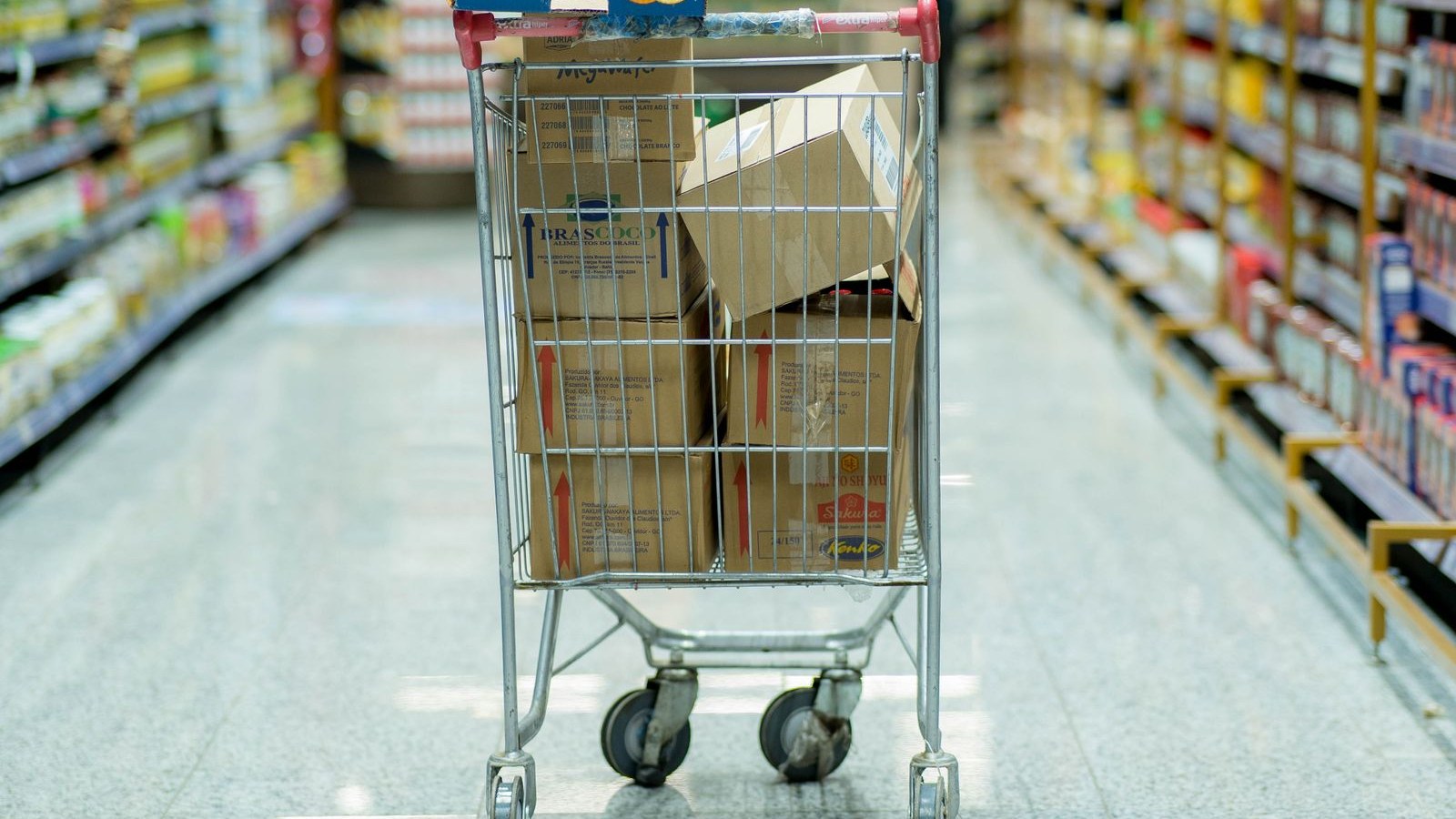
The fastest way to lower your grocery bill is not clipping coupons. It is eating the food you already bought. The USDA estimates about 30 percent of the US food supply goes uneaten at the retail and consumer level, and one analysis put the family-of-four cost of food never eaten near $3,000 a year. That waste is sitting in your pantry and freezer right now, already paid for.
The thesis of this guide: a one-week pantry challenge plus three small math habits will lower your grocery bill by 20 to 30 percent. No extreme couponing, no miserable diet, no apps to maintain.
Why your grocery bill is a waste problem, not a price problem
In Canada, grocery prices rose more than 30 percent between 2020 and early 2026, with meat leading the climb. Prices really did go up. But the bigger line item in most carts is not the price tag; it is the food that gets bought and never eaten. The FAO estimates about one-third of all food produced globally is wasted or goes uneaten, and household kitchens generate a huge share of that loss.
Coupons shave a few percent off what you buy; stopping food waste cuts the whole bill at once. Every strategy below attacks one of two things: buying food you do not need, or throwing away food you already own.
Lower your grocery bill in one week: the pantry challenge
The rules, as pantry-challenge regulars write them, are simple:
- Inventory everything. Pull the pantry, fridge and freezer contents out, toss what is genuinely expired or freezer-burned, and write down what you have. This one list is the difference between a challenge that works and a Wednesday takeout collapse.
- Set a small essentials budget. Regulars suggest $25 to $40 for the week, spent only on true essentials like milk, eggs, bread and fresh produce. A $0 budget sounds hardcore but backfires: one missing ingredient turns into a $45 delivery order.
- Do not stock up first. That defeats the purpose. Start with what is there.
- Plan 5 to 7 dinners from what you own. Rice, beans and canned tomatoes become burrito bowls; pasta, jarred sauce and frozen meatballs is dinner; canned tuna, pasta and frozen peas is a casserole. Keep breakfasts boring and repeatable and let dinners carry the variety.
- Track the savings. Keep every essentials receipt in one envelope and total it Sunday night. You will know exactly what the week saved you, and you will spot which staples to restock and which ones to stop buying.
Seven days is the sweet spot for a first run. The payoff arrives twice: you skip a week's big shop, and you stop throwing away food you already paid for. Run it once or twice a year and the freezer never becomes a food graveyard again.
Pantry math: three calculations that permanently lower your grocery bill
The challenge is the reset. These three calculations keep your grocery bill lower afterwards, and the discipline is the same as the cost per use test: divide the price by what you actually get, and let the number decide.
First, cost per serving. Divide the package price by the servings printed on the label before you compare. This is where the store brand almost always wins, and where the famous loss leaders reveal themselves: Costco's rotisserie chicken is still $4.99 in the US (about CAD $7.99 in Canada). One bird is dinner one night, sandwiches the next day, and broth from the bones. That is three uses from one purchase, which beats almost any other protein on a per-serving basis.
Second, the unit-price label. Most stores print the price per 100 grams or per ounce on the shelf tag, and it is the only honest comparison between package sizes. Read it every time: the bigger box is often not cheaper, and when manufacturers quietly shrink packages, the unit-price label is the only place the shrink shows up.
Third, the waste audit. For one month, write down every food item you throw away with its rough price. Almost everyone finds one repeat offender: the bag of salad that goes slimy, the bread that goes stale, the leftovers that age out. Stop buying that item in that size and you have a permanent, effortless discount. This is the grocery version of the 24-hour rule: a pause between the habit and the purchase, and most of the urge to overbuy evaporates.
Shop like seven countries: store rules that travel
The tactics travel, but the store names do not. In the US and Canada, Costco and Walmart anchor the cheap end, with the $4.99 US rotisserie chicken as the reference protein. In the UK, Tesco and Sainsbury's yellow-sticker markdowns on short-dated food are a genuine discount channel if you shop in the evening and eat or freeze the food the same day. In Germany, France, Italy and Spain, Aldi and Lidl run the discount end of the market, with weekly rotating specials worth checking before the main shop.
Two universal rules. First, the perimeter rule is mostly real: fresh produce, dairy and bakery live around the store's edges, and the expensive processed food lives in the middle aisles. Second, never shop hungry. And when you buy shelf-stable staples in bulk, whether it is rice, tinned tomatoes or coffee, compare against the open-box, sale and lightning-deal listings on your country's WarehouseWatcher feed first: US deals, Canada deals, UK deals. WarehouseWatcher tracks open-box, sales and lightning deals across all seven countries it covers, and pantry staples do show up in the deal feeds. The stacking coupons and cashback order guide shows how to layer one more discount on top when you buy those staples online.
What not to cut: the guardrails
Here is the verdict on what not to cut. Do not cut the quality of your produce to save a dollar; cheap vegetables you do not eat are the most expensive food in the store. Do not buy the rock-bottom version of something you will throw half of away. And do not confuse the date label with a safety verdict: the USDA's own guidance says best-by dates mark peak quality, not safety, so that yogurt two days past the date is a smell test, not a bin trip.
Cut the waste first, then the fancy versions of things you already buy, and never the nutrition. That order is the whole system: the pantry challenge shows you how much you already own, and the math keeps the bill down afterwards.
Frequently asked questions
How much can a pantry challenge actually save?
Regulars report roughly $100 a week for a family during challenge weeks, mostly from skipping the big stock-up shop and finally eating the freezer backlog. Track your essentials receipts for the week and compare against a normal week; that gap is your real number.
Does buying in bulk always lower your grocery bill?
Only on the things you reliably finish. A warehouse club is the cheapest shelf in the store until half the bag goes stale, which makes it the most expensive shelf instead. The test is simple: have you bought this exact size before and finished it before it spoiled? If yes, buy the big one. If this is your first time, buy the small one and earn the right to go big.
Is the USDA Thrifty food plan realistic?
It is realistic as a benchmark, not as a lifestyle target. The USDA's Thrifty plan put a reference family of four at about $1,024 a month in September 2026, and it assumes every meal and snack is cooked at home from scratch, mostly from beans, rice, oats, eggs and in-season produce. Use it as a sanity check: if you spend far more with similar habits, the leak is usually waste and impulse buys, not prices.
Do best by dates mean I have to throw food out?
No. The USDA treats those dates as the manufacturer's estimate of peak quality, not safety, with infant formula as the exception. Surveys find a large share of shoppers throw food away around the label date, and that confusion drives a meaningful slice of household waste. Trust your eyes and nose on fresh food instead: if it looks and smells fine, the printed date is not the boss of it.