Deal-Hunting Guides
AirPods Pro 3 vs Sony WF-1000XM6: Which Flagship Earbuds Win?
Has been buying open-box and returned stock for over a decade, and built Warehouse Watcher to stop losing track of it.
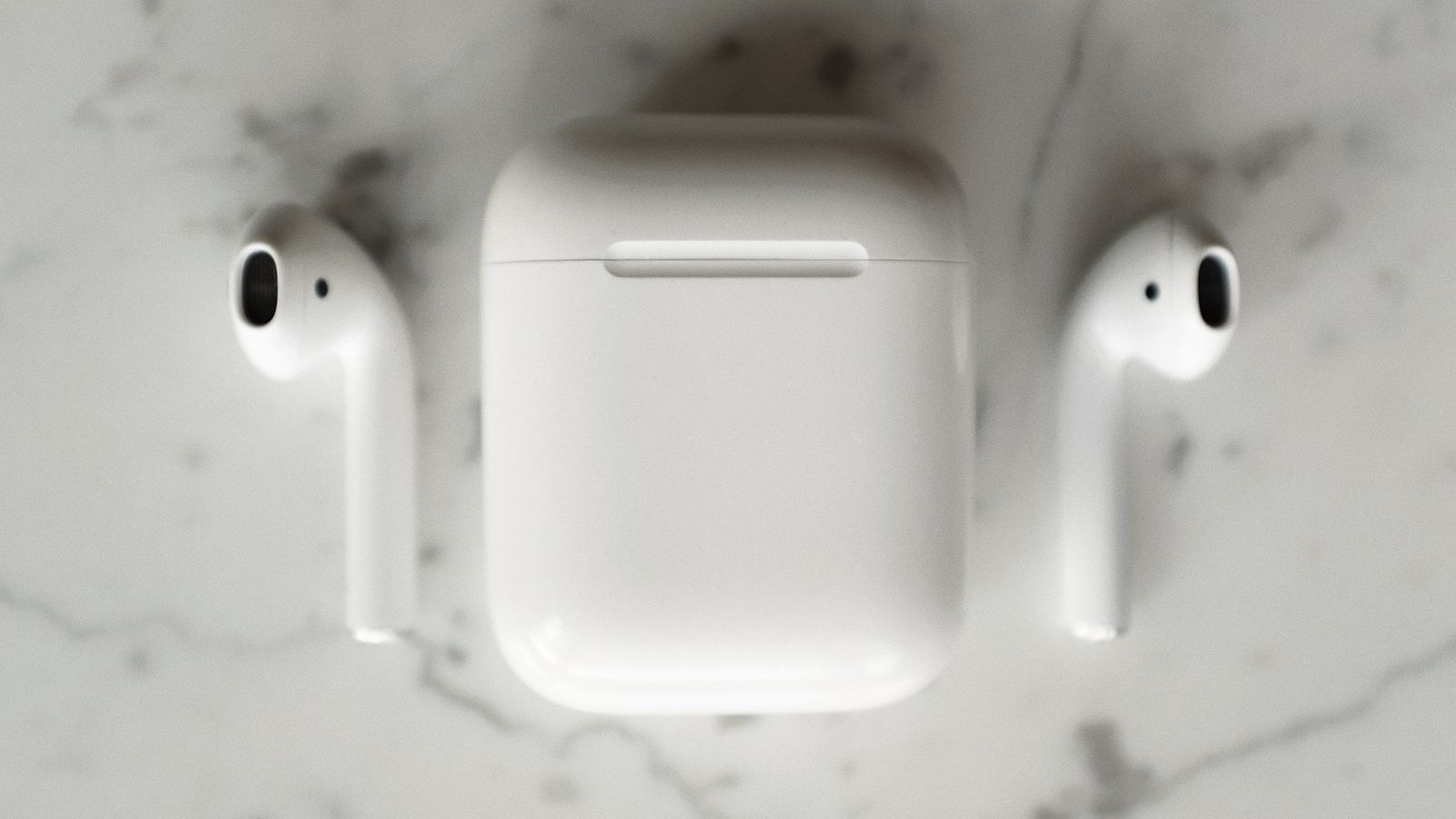
The AirPods Pro 3 vs Sony WF-1000XM6 fight is the flagship earbud debate Reddit has been running since Sony launched the WF-1000XM6 in February 2026: the Sony WF-1000XM6 is the better buy for most people, thanks to slightly stronger noise cancelling, the best sound quality reviewers have heard in earbuds this year, and hi-res LDAC support. The AirPods Pro 3 is the better buy for iPhone owners, with the most natural transparency mode on the market, seamless switching across Apple devices, and health features, heart-rate sensing and an FDA-cleared hearing-aid mode, that Sony cannot match. Buy Sony for the sound, buy Apple for the ecosystem, and let the phone in your pocket break the tie.
Both are genuine flagships within US$80 of each other at list price, both hit eight hours per charge with ANC on, and both have earned strong reviews since launch. The difference is not quality; it is priorities. This guide lays out the spec sheet, the real Reddit trade-offs, and 2026 street prices, so you buy once instead of buying both.
Disclosure: As an Amazon Associate, Warehouse Watcher earns from qualifying purchases. Product links below are affiliate links and don't change the price you pay. Learn more.
AirPods Pro 3 vs Sony WF-1000XM6: the spec sheet
The headline numbers before the opinions. Prices are US list; street prices move constantly, and autumn 2026 has been kind to both.
- Price (US list): AirPods Pro 3 US$249; Sony WF-1000XM6 US$329.99. In autumn 2026 the AirPods have sold near US$199 on Amazon, while the Sony has dropped to US$258 to US$298.
- ANC hardware: Apple's H2 chip with foam-infused ear tips; Apple claims up to twice the noise removed versus the AirPods Pro 2. Sony's new QN3e processor with eight adaptive microphones, including a bone-conduction sensor for calls.
- Battery (claimed): both up to 8 hours per charge with ANC on, and up to 24 hours total with the charging case. Apple adds up to 10 hours in Transparency with the Hearing Aid feature; independent testing measured the Sony at about 9 hours 40 minutes per charge.
- Codecs: Apple AAC and SBC only. Sony LDAC, LC3, AAC and SBC. The hi-res LDAC stream only matters with an Android phone or a digital audio player; on an iPhone both pairs play AAC.
- Durability: AirPods Pro 3 rated IP57 for dust, sweat and water, buds and case. The Sony is IPX4 for the buds only, with no case rating.
- Fit: Apple ships five ear tip sizes down to a new XXS, in foam-infused silicone. Sony slimmed the XM6 body about 11 percent versus the XM5 and ships foam tips for a deeper seal.
- Cases: Apple's case charges over MagSafe, Qi, an Apple Watch charger or USB-C. Sony's case charges over USB-C or a wireless pad.
- Smart features: Sony has speak-to-chat, a 10-band EQ, Adaptive Sound Control and Auracast support in the Sound Connect app. Apple has Find My, personalized spatial audio with head tracking, Live Translation and Workout Buddy through Apple Intelligence.
Sound and noise cancelling: Sony's edge is real, Apple's transparency rules
On sound, reviewers keep handing Sony the win. The WF-1000XM6's larger 8.4mm driver and LDAC pipeline deliver more accurate, natural audio with better bass extension and a wider soundstage. If you stream hi-res audio from Tidal, Qobuz or a lossless tier, the Sony pulls ahead unambiguously.
On noise cancelling, the gap is narrower than the spec sheets suggest. Sony blocks more mid-to-high frequency chatter, voices and office noise, while Apple is exceptional at low rumble like airplane engines. The working consensus from 2026 reviews: Sony by a nose on planes, trains and in crowded cafes; effectively tied in quiet offices.
Transparency is Apple's clearest single win: the most natural, distortion-free pass-through mode anyone sells in earbuds. Sony's ambient mode is improved but remains a step behind.
Pros and cons: AirPods Pro 3
Buy the AirPods Pro 3 if your daily life already runs on an iPhone, and the rest is bonus.
- The best transparency mode in earbuds: natural, distortion-free, with Adaptive Audio blending ANC and pass-through for you
- Ecosystem magic: automatic switching between iPhone, iPad and Mac, Find My for a bud lost down the couch, personalized spatial audio with head tracking
- Real health features nobody else has: in-ear heart-rate sensing across up to 50 workout types, Workout Buddy, Live Translation, and an FDA-cleared Hearing Aid mode
- Battery doubled versus the Pro 2: up to 8 hours per charge with ANC on, up from 6
- IP57 dust, sweat and water resistance on buds and case; five tip sizes down to XXS
- The cheaper flagship: US$249 list, and it has sold near US$199 on Amazon
- Cons: AAC only, so Android listeners leave hi-res LDAC audio on the table
- The best features need an iPhone or iPad; on Android the value proposition fades
- Almost no EQ control beyond Apple's system presets
- Case total dropped to 24 hours, down from 30 on the Pro 2
- The firmer new tips split opinion; try every size before you judge the fit
Pros and cons: Sony WF-1000XM6
Buy the Sony WF-1000XM6 if sound quality is what you are actually paying for.
- The best-sounding flagship earbuds of 2026 by most reviewers: accurate, natural, dynamic, with better bass extension and a wider soundstage
- Slightly stronger noise cancelling than Apple, especially against voices and office chatter
- LDAC and LC3 hi-res codecs, a 10-band EQ, Adaptive Sound Control and speak-to-chat in the Sound Connect app
- 8 hours per charge with ANC, with independent tests landing near 9 hours 40 minutes
- Redesigned body about 11 percent slimmer than the XM5, with foam tips and a compact wireless-charging case
- Auracast and LE Audio support for the future of broadcast Bluetooth
- Cons: US$329.99 list, US$80 more than the AirPods and the priciest of the flagship trio
- Transparency mode is good but a clear step behind Apple's
- IPX4 on the buds only; the case carries no water rating
- No Apple ecosystem: no Find My, no spatial-audio head tracking, no seamless switching
- The buds and case look plain next to the competition
Price, deals and the verdict: which earbuds to buy in 2026
In the US, the AirPods Pro 3 list at US$249 and have sold near US$199 on Amazon during autumn 2026 sales. The Sony WF-1000XM6 lists at US$329.99, with Amazon deals between US$258 and US$298. In Canada, the AirPods list at CA$329 and have sold near CA$300 on Amazon.ca, dropping to CA$259 during Prime Big Deal Days; the Sony lists at CA$348 on Amazon.ca, with other sellers as low as CA$278.40. In the UK, Sony lists the WF-1000XM6 at £249. Both are stocked on the local Amazon stores in Germany, France, Italy and Spain. Watch your country's feed: US deals, Canada deals, UK deals.
Both earbuds show up as Amazon Warehouse open-box regularly, often meaningfully under new prices. If you go that route, read Amazon Warehouse condition grades first, and test fit, ANC and call quality inside the return window. For the wider strategy, our noise-cancelling headphones guide covers how to buy premium audio without overpaying.
The verdict, buyer by buyer. iPhone owners with at least one other Apple device: the AirPods Pro 3. Android users, hi-res listeners and long-haul commuters: the Sony WF-1000XM6. Workout-first buyers on iPhone: the AirPods Pro 3, since the heart-rate sensing replaces a second wearable. Budget flagship hunters: the AirPods at near US$199 is the steal of the two. And one to skip: Sony hiked the WF-1000XM5's MSRP to US$329.99 in September 2025, identical to the XM6, so do not buy the older Sony unless it is clearly cheaper.
Frequently asked questions
AirPods Pro 3 vs Sony WF-1000XM6: which has better noise cancelling?
The Sony, by a small margin. Reviewers rate the WF-1000XM6 slightly ahead on planes, trains and in busy offices, thanks to the QN3e processor and eight adaptive microphones. In quiet offices the two are effectively tied, and Apple's claim of twice the noise removed versus the AirPods Pro 2 puts the Pro 3 firmly in flagship territory.
Should an iPhone owner buy the Sony WF-1000XM6?
You can, and plenty do for the sound, but you pay for features you cannot fully use. The AirPods Pro 3's heart-rate sensing, Live Translation, hearing features and seamless device switching all need an iPhone or iPad; on Android the buds still sound good, but most of their advantage evaporates. If you own the phone already, buy the buds that were built for it.
Is the Sony WF-1000XM6 worth US$80 more than the AirPods Pro 3?
At full list price, only for specific buyers: Android users who stream hi-res audio over LDAC, and people who wear earbuds all day and want the best sound and longest single charge. At street prices the gap stretches past US$50, and the Sony becomes a sound-quality luxury rather than the default pick.
Do the AirPods Pro 3 work with Android?
Yes for the basics: pairing, noise cancelling, transparency and calls all work over Bluetooth. But the advanced features, heart-rate sensing, Live Translation, the Hearing Aid mode and spatial audio with head tracking, need an iPhone or iPad. Android buyers get excellent audio and ANC, just a worse value proposition than iPhone owners.
Are open-box AirPods or Sony earbuds a safe buy?
Yes, with two checks. Buy from Amazon Warehouse in Like New or Very Good grade, and test fit, ANC and the microphones inside the return window, because earbuds are a fit lottery.