Deal-Hunting Guides
Breville Barista Express vs Gaggia Classic Pro: Which Espresso Machine Wins?
Has been buying open-box and returned stock for over a decade, and built Warehouse Watcher to stop losing track of it.
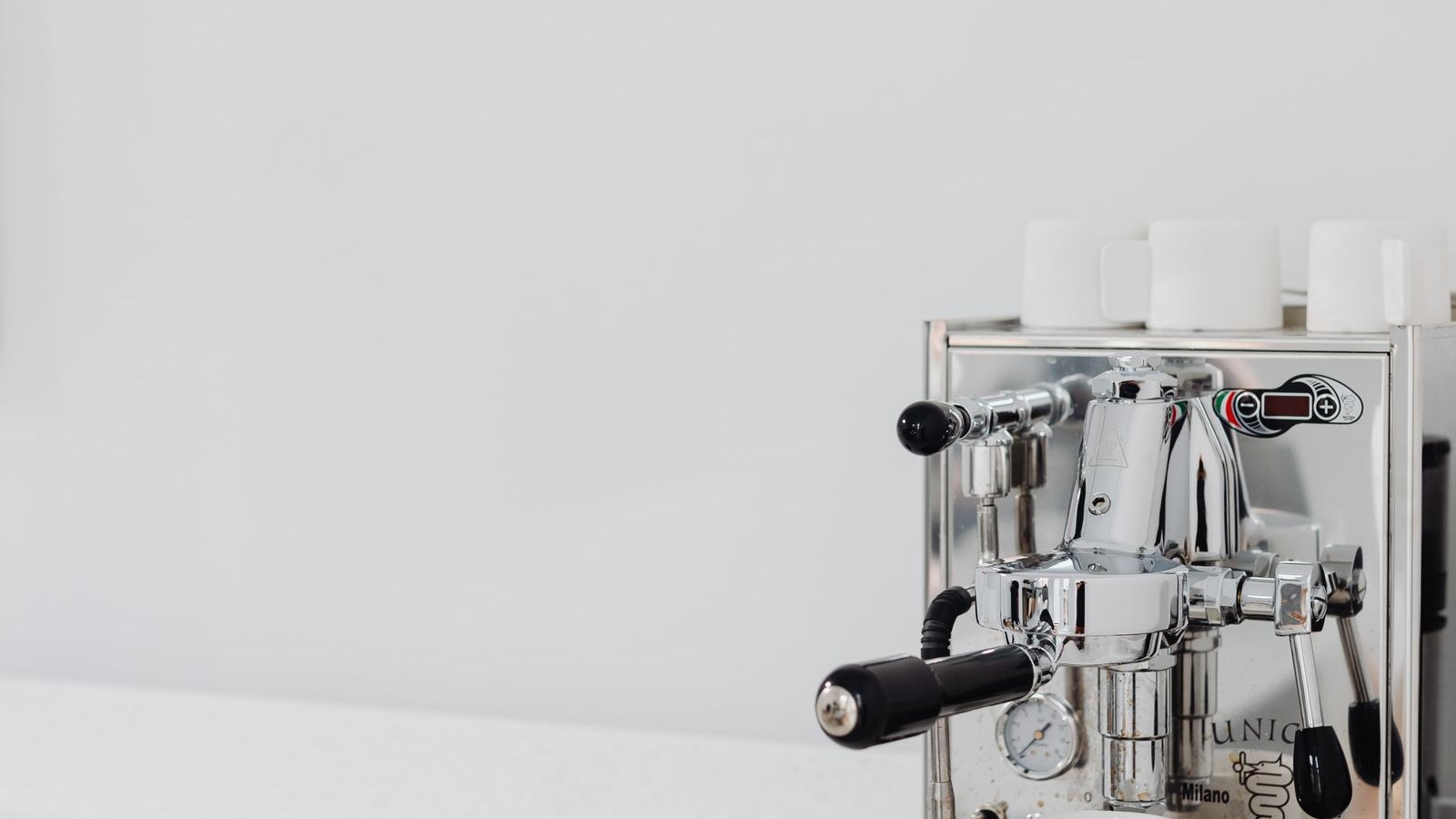
Breville Barista Express vs Gaggia Classic Pro is the first-espresso-machine debate that never ends, because both machines are right. The Breville Barista Express is the all-in-one: conical burr grinder, PID temperature control and steam wand in one box, so a single purchase takes you from beans to flat white. The Gaggia Classic Pro is the traditionalist's machine: 58 mm commercial portafilter, 3-way solenoid valve and a steel body built to outlast the hobby, but no grinder in the box. Thesis: buy the Breville if you want espresso to be easy; buy the Gaggia if you want espresso to be a hobby.
Ask this question in any espresso forum and the thread splits the same way every time: Breville buyers love that it worked on day one, Gaggia owners love that it still works a decade later. Both camps are right, so the answer is a winner per buyer. This guide compares the two on what actually decides the purchase: the grinder, the milk, the build and the real price once everything is in the cart.
Disclosure: As an Amazon Associate, Warehouse Watcher earns from qualifying purchases. Product links below are affiliate links and don't change the price you pay. Learn more.
Breville Barista Express vs Gaggia Classic Pro: the spec sheet
On paper the two machines look like cousins: same job, same price bracket, same single-boiler thinking. The differences sit in the details, and the details are the whole decision.
- Grinder: Breville integrated conical burr, 16 settings; Gaggia none, buy one separately
- Portafilter: Breville 54 mm; Gaggia 58 mm commercial, the cafe standard
- Pump: both 15-bar; Breville extracts at 9 bar with PID and pre-infusion, Gaggia Evo Pro also at 9 bar with an updated over-pressure valve
- Heating: Breville thermocoil with PID; Gaggia single boiler, no PID, so you temperature surf
- Milk steaming: Breville 360-degree manual steam wand; Gaggia commercial-style steam wand
- Water tank: Breville 67 oz (2 L); Gaggia 72 oz (2.1 L)
- Power: Breville 1,600 W; Gaggia 1,450 W (US models)
- In the box: Breville pressure gauge, tamper, dose-trimming tool, four baskets; Gaggia tamper, scoop, pressurized and commercial baskets
- Warranty: Breville 1-year limited warranty in the US
The Breville wins on completeness; the Gaggia wins on standard parts.
The grinder question: the real price gap
The Gaggia looks cheaper on the shelf: US$549 list against the Breville's US$749.95, and it commonly sells for US$449 to US$500. That gap is an illusion, because the Gaggia cannot make espresso without a grinder. A capable grinder in the class of the Eureka Mignon Notte or Baratza Sette 270 costs roughly US$300 to US$500, putting a working Gaggia setup at US$750 to US$1,050 against the Breville's US$700 or so.
The value argument flips, but that is not the whole story. A separate grinder outlives its machine and can be upgraded on its own. The Breville's built-in grinder is good enough to learn on and for daily lattes, but it is the first thing you will outgrow, and you cannot swap it. Verdict: buying everything from zero, the Breville is the cheaper complete setup. Already own a decent espresso grinder, and the Gaggia is the cheaper machine and the better long-term buy.
Milk steaming and the morning workflow
Both make you wait between brewing and steaming, because both heat one boiler at a time. The Breville takes around 30 seconds to switch over and about 60 seconds to steam a jug of milk. The Gaggia switches in about 35 seconds and steams the same jug in roughly 30, thanks to the stronger commercial wand, and its two-hole tip makes latte-art microfoam easier once your technique is there.
Where the Breville pulls ahead is everything around the milk. The pressure gauge and pre-infusion forgive a sloppy grind in a way the Gaggia never will, and the Gaggia's lack of PID means temperature surfing before every shot: running water through the group head and guessing when the boiler is in range. One more practical difference: the Breville's spouts clear a full-size mug at 10.8 cm, while the Gaggia's lower clearance means espresso glasses. Verdict: households making two lattes before work should buy the Breville for the faster routine. Aspiring latte artists with patience should buy the Gaggia for the better wand.
Breville Barista Express vs Gaggia Classic Pro: pros and cons
Breville Barista Express, the case for it:
- Complete out of the box: grinder, tamper, baskets and gauge included
- PID temperature control and pre-infusion make consistent shots easier for a beginner
- Fits a full-size mug under the spouts
- More than 24,000 Amazon ratings, so parts and answers are easy to find
Breville Barista Express, the case against it:
- The built-in grinder is the weakest part and cannot be upgraded, so it caps how far your coffee can improve
- A 1-year limited warranty is short for a machine at this price
- More electronics and a 54 mm portafilter mean fewer accessory choices than the 58 mm standard
Gaggia Classic Pro, the case for it:
- 58 mm commercial portafilter and 3-way solenoid valve, the same hardware cafes use
- Steams milk faster and textures better once you learn the wand
- Steel body, simple switches and almost no electronics, built to last and easy to service
- Huge modding community: PID kits, pressure springs and shower screens
Gaggia Classic Pro, the case against it:
- No grinder included, so add US$300 to US$500 before your first shot
- No PID temperature control out of the box, so every shot needs temperature surfing
- Low cup clearance suits espresso glasses, not full-size mugs
- The pressurized basket in the box is training wheels, and the learning curve is real
Build, longevity and the modding question
The Gaggia Classic line has been around since 1991, and that is the strongest argument in its favour. Owners commonly report a decade or more from a Classic, and when something wears out it is usually a ten-dollar gasket you can fit yourself. The Breville is more capable on day one, but it has more electronics inside and a typical working life owners report at five to eight years with good care. That is not a flaw, it is a trade: convenience now against longevity later.
The modding gap is just as wide. The Gaggia has a whole aftermarket: PID controllers, 9-bar pressure springs, better shower screens and bottomless portafilters. The Breville has almost none of that, because its grinder, electronics and 54 mm group are a closed system. Tinkering sounds fun: Gaggia. Sounds like a chore: Breville.
Price and the verdict: which espresso machine to buy
In the US, the Breville lists at US$749.95 and usually sells around US$699.95, but it dropped to US$500 in October 2026 Prime Day clearance. The Gaggia lists at US$549 and commonly sells for US$449 to US$500. In Canada the Breville is CA$699.99 against a CA$999.99 list, and the Gaggia is about CA$558. In the UK, Breville machines are sold under the Sage name, so search for the Sage Barista Express there. Both show up regularly as open-box and sale items, so check the US deals, Canada deals and UK deals feeds before paying list, and read our guide to Amazon Warehouse deals before buying a returned one.
Beginners starting from zero: buy the Breville Barista Express, the complete setup, the forgiving teacher and the faster morning. Hobbyists who already own a grinder: buy the Gaggia Classic Pro, the better machine in the long run, the better steamer and the one you will still be using in ten years. Milk-drink households in a hurry: Breville. Latte-art hopefuls with patience: Gaggia. Whatever you choose, do not pay list: both go on sale constantly, and a claimed discount is worth checking with our guide on how to spot fake discounts.
Frequently asked questions
Do I need a separate grinder with the Gaggia Classic Pro?
Yes. The Gaggia Classic Pro ships without a grinder, and espresso needs a fine, consistent grind a blade grinder or cheap burr grinder cannot deliver. Budget roughly US$300 to US$500 for a capable espresso grinder, which makes the complete Gaggia setup more expensive than the [Breville Barista Express](asin:B00CH9QWOU) even though the machine itself costs less.
Which is better for beginners, the Breville Barista Express or the Gaggia Classic Pro?
The Breville, by a clear margin. Its built-in grinder, PID temperature control, pressure gauge and pre-infusion remove the four things that make a first espresso machine frustrating, so you get drinkable coffee in week one. The Gaggia rewards skill but demands it first, so it is the better second machine, or the better buy if you already own a grinder.
Which makes better espresso, the Breville Barista Express or the Gaggia Classic Pro?
With a good grinder and good technique, the Gaggia has the higher ceiling: its 58 mm commercial portafilter and 3-way solenoid valve behave like cafe hardware. With a beginner behind the machine, the Breville makes the better shot, because its PID control and pre-infusion cover for inconsistent technique. The machine matters less than the grinder and the person pulling the shot.
Should I wait for a sale to buy the Breville Barista Express or the Gaggia Classic Pro?
Yes, unless you need one this week. The Breville has sold for US$500 against a US$749.95 list in October 2026, and the Gaggia regularly drops to US$449 to US$500 against its US$549 list. Open-box units of both surface on Amazon Warehouse too. Track the [US deals](https://warehousewatcher.com/us) and [Canada deals](https://warehousewatcher.com/ca) feeds first.