Deal-Hunting Guides
Amazon Warehouse Condition Grades: What Like New to Acceptable Really Gets You
Has been buying open-box and returned stock for over a decade, and built Warehouse Watcher to stop losing track of it.
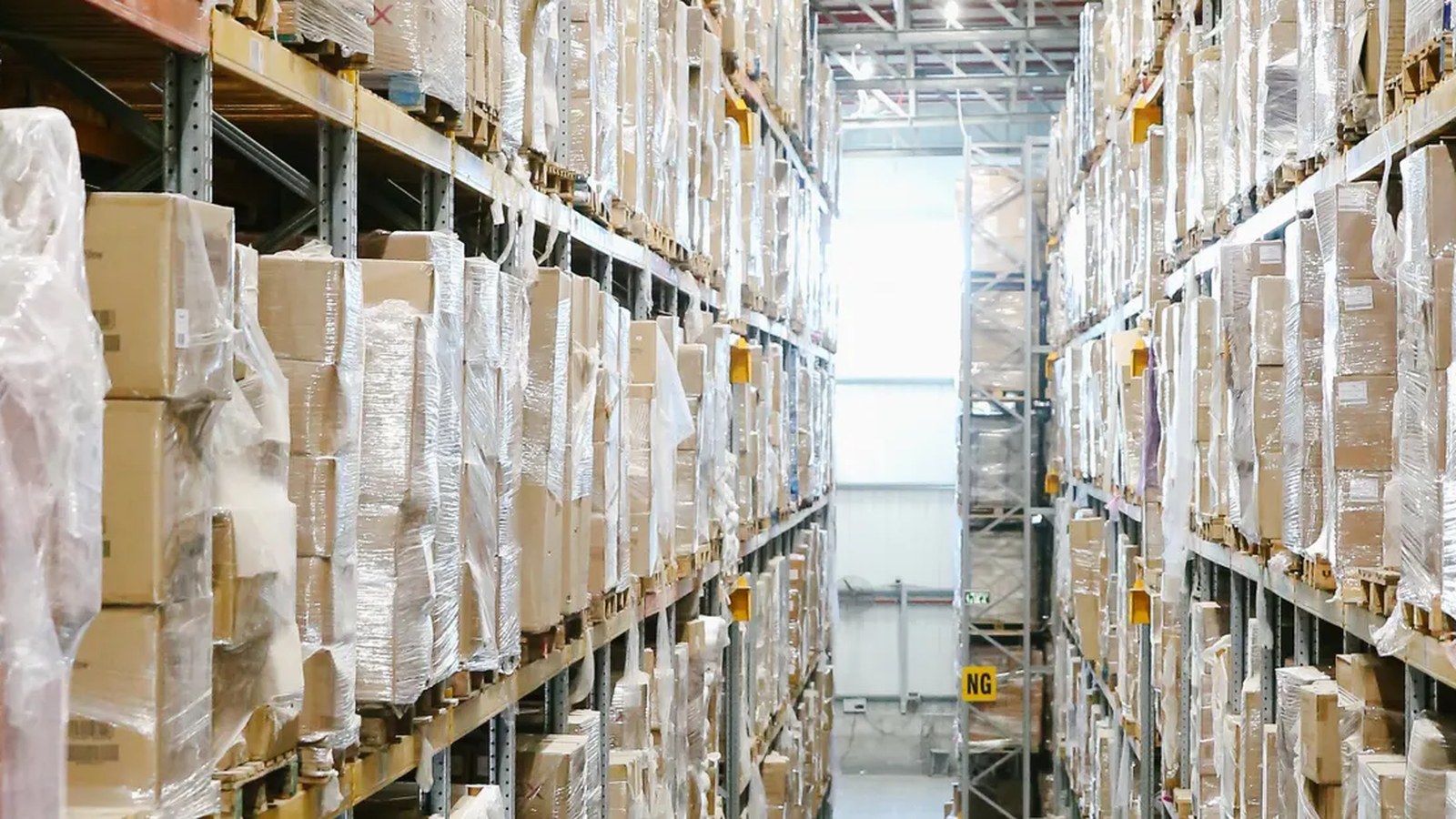
Amazon Warehouse condition grades are Amazon's four labels for returned and open-box stock: Used - Like New, Used - Very Good, Used - Good and Used - Acceptable. Every graded item has been inspected and tested to work; what changes down the ladder is cosmetic wear, packaging and how many accessories survive, and the discount grows as the grade falls. The grade worth hunting is Very Good, where the discount gets serious while the item is still nearly new. This guide explains what actually shows up at each grade, drawn from how Amazon defines them and what buyers consistently report.
Used - Like New: the damaged-box discount
Used - Like New means the product itself is in perfect working condition and effectively flawless; the damage, if any, happened to the packaging. The classic Like New story is a warehouse ding: a forklift scuffs the retail box, the seal gets broken, and a brand-new product can no longer be sold as new. All accessories are included, and the item may never have been switched on by anyone.
The trade-off is price. Like New carries the shallowest discount of the four Amazon Warehouse condition grades, sometimes only a few percent under the new price, because Amazon knows it is selling you a new product in an ugly box. Buy it when the saving still clears roughly 10 to 15 percent; below that, the new listing with its full warranty paperwork is usually the better buy. For gifts, this is the only Warehouse grade that makes sense, and even then, open it yourself first.
Used - Very Good: the grade to hunt
Used - Very Good is where the value sits. The item has seen limited use and is in full working order, with at most light cosmetic imperfections: a faint scratch, a small mark you have to hunt for, protective films already removed. The original box may be damaged or replaced by plain packaging, and the listing note may flag a missing non-essential accessory. In practice, most Very Good electronics look new from a metre away.
This is the grade to set alerts for. Kitchen appliances, headphones, PC gear and small appliances in Very Good routinely deliver a near-new product for a substantial cut, and the imperfections land where nobody looks. If you read one part of a Warehouse listing before buying, make it the condition note under the grade, because that short line describes your specific unit, including exactly what is missing or marked.
Used - Good and Acceptable: price the wear, not the hope
Used - Good steps down honestly: the item works properly but shows moderate, visible wear, such as scratches and cosmetic blemishes, and it may arrive repackaged with accessories, parts, the manual or assembly tools missing. Used - Acceptable goes further: significant signs of use, dents, deep scratches or worn corners, with only the minimum accessories needed for basic operation. At both grades Amazon still guarantees the item functions as intended; what you are giving up is appearance and completeness.
Price the risk before you click. A missing proprietary charger or remote can cost more than the discount, so check what a replacement costs, or restrict Good and Acceptable buys to items whose accessories are generic: a kettle needs no special cable, a stand mixer might. Acceptable makes sense for function-first purchases, workshop tools, spare-room TVs, kids' gear that will be worn anyway. One hard rule: some Acceptable listings are marked Final Sale and cannot be returned at all. If the listing says Final Sale, the discount has to be enormous to justify it, and usually it is not.
The 30-day safety net under every grade
The reason buying graded returns is a calculated risk instead of a gamble is that Amazon Warehouse purchases sit under Amazon's standard return policy. If the item arrives worse than its grade and listing note promised, or simply is not what you expected, you generally have 30 days to return it for a refund, the same as a new purchase, and most Warehouse items ship with Prime speeds where eligible.
Use the window properly. Inspect and test everything in the first few days: run electronics through their paces, check for the accessories the note said would be there, and photograph anything that contradicts the described condition. Amazon cannot swap your unit for an identical one, since every Warehouse item is a one-off, so a bad unit means a refund and a fresh hunt rather than a replacement. The exceptions to remember are the Final Sale listings noted above, which sit outside this safety net entirely.
Finding graded stock in your country
Amazon sells this stock on its storefronts worldwide, listed under Amazon Warehouse or, in some countries now, Amazon Resale, and it is sold by Amazon itself rather than third-party sellers. Rather than trawling used offers product by product, WarehouseWatcher tracks this open-box and returned stock alongside regular sales and lightning deals across all seven of its country feeds, so a Very Good coffee machine in Canada deals, a Like New monitor in the US deals feed or a Good-grade bargain in the UK deals feed surfaces in one place.
For the full walkthrough of how Warehouse pricing, stock alerts and inspection checks fit together, read our companion guide to Amazon Warehouse deals explained, and for the wider method, see how we find the best deals shopping online. The short version of everything above: hunt Very Good, respect the listing note, fear Final Sale, and let the 30-day return window carry the risk it was designed to carry.
Frequently asked questions
Is Used - Acceptable ever worth buying?
Yes, in the right category. Acceptable items are tested and functional, so for tools, kitchen gear and anything where looks do not matter, the steepest discount can be smart. Avoid it for gifts and screens, and never buy an Acceptable listing marked Final Sale, because those cannot be returned.
Can I return an Amazon Warehouse item if I don't like it?
Yes. Amazon Warehouse purchases are covered by Amazon's standard return policy, so you generally have 30 days to send an item back for a refund if it arrives worse than described. The main exception is listings explicitly marked Final Sale, which are sold as-is.
What is the difference between Amazon Warehouse and Amazon Renewed?
They are different programmes. Warehouse (branded Amazon Resale in some storefronts) sells customer returns and open-box items that Amazon has inspected and graded, with no refurbishment. Renewed items are professionally refurbished and tested by qualified suppliers and carry the Amazon Renewed Guarantee instead.
Which Amazon Warehouse condition grade is the best value?
Used - Very Good. You typically get a meaningful discount for, at worst, light scratches or a replaced box, and the item is fully functional. It is the grade where the savings are largest relative to the risk you actually take.
Do Amazon Warehouse items come with a warranty?
Treat any included warranty cautiously and do not count on the full manufacturer term, because the item is used and its warranty clock may already have started. Your dependable protection is Amazon's own 30-day return window, which is why inspecting everything in the first week matters.