Deal-Hunting Guides
Oura Ring 4 vs Samsung Galaxy Ring: Which Smart Ring Wins?
Has been buying open-box and returned stock for over a decade, and built Warehouse Watcher to stop losing track of it.
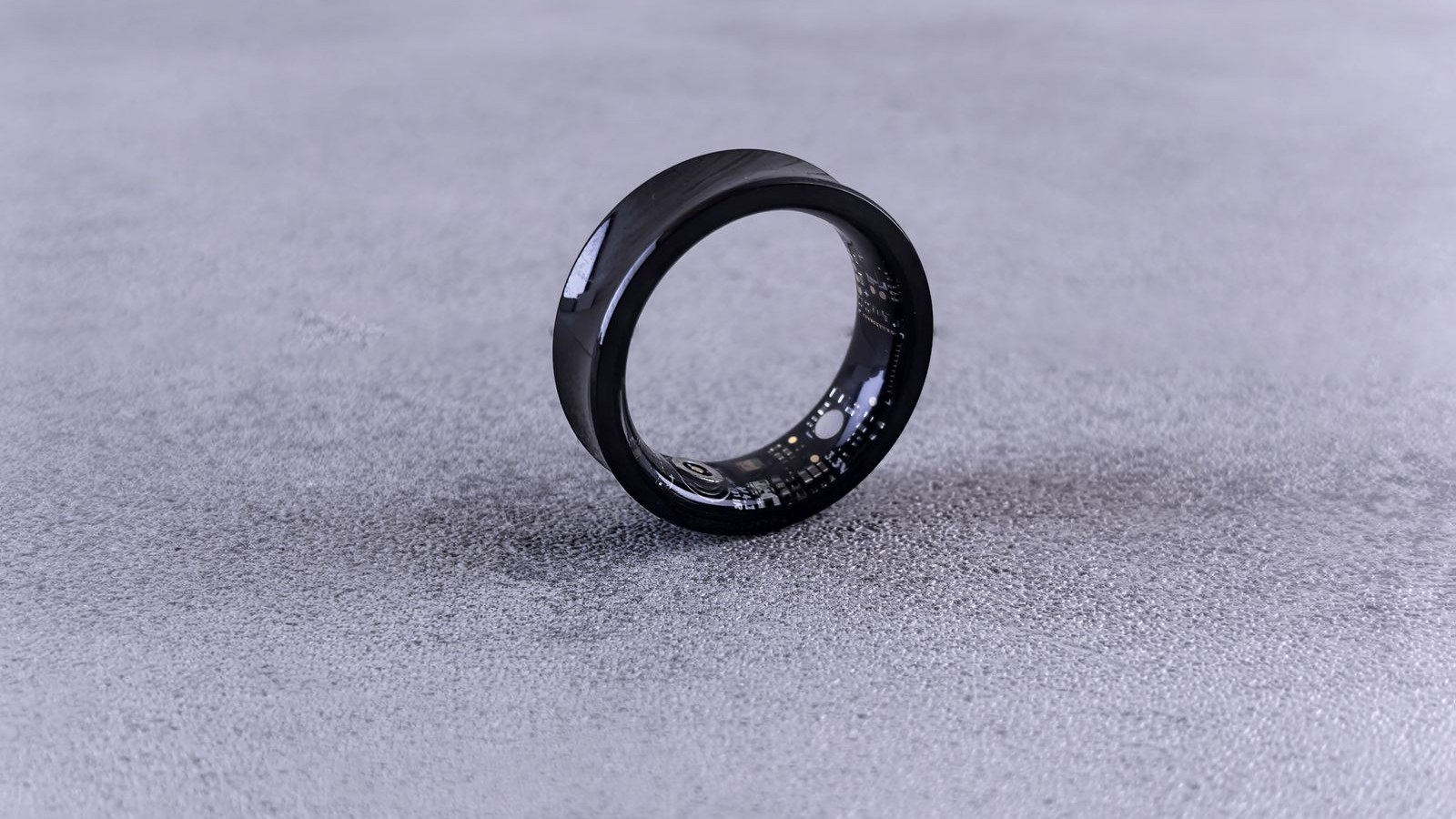
Oura Ring 4 vs Samsung Galaxy Ring is the smart ring argument that fills r/ouraring and r/FitnessTrackers every week, and it is really an argument about a subscription. Both rings are titanium, both track sleep, heart rate and temperature, and both last about a week on a charge. The difference is what happens after you pay: Oura charges $5.99 a month for the insights that make the ring useful, while Samsung charges nothing, ever. The thesis: buy the Oura Ring 4 if you want the deepest sleep data and you use an iPhone, buy the Galaxy Ring if you use Android and refuse to rent your own health data back.
The short version: Oura wins on sleep insight depth, app maturity and cross-platform support. Samsung wins on comfort, weight and long-term cost. Neither ring is a fitness tracker, neither replaces a sports watch, and the right choice is mostly decided by the phone already in your pocket.
Disclosure: As an Amazon Associate, Warehouse Watcher earns from qualifying purchases. Product links below are affiliate links and don't change the price you pay. Learn more.
Oura Ring 4 vs Samsung Galaxy Ring at a glance
- List price: Oura Ring 4 $349 US (Silver and Black), up to $499 for premium finishes; Samsung Galaxy Ring $399.99 US
- Street price, November 2026: Oura Ring 4 $249 on Amazon.com in early November; Galaxy Ring $399.99 on Amazon, down to $324.99 in a late-October sale
- Subscription: Oura Membership $5.99/month or $69.99/year US (CA$7.99/month or CA$89.99/year in Canada); Galaxy Ring has no subscription
- Battery: Oura Ring 4 up to 8 days; Galaxy Ring up to 7 days
- Weight: Oura Ring 4 3.3 to 5.2 g; Galaxy Ring 2.3 to 3.3 g depending on size
- Size and build: Oura 7.9 mm wide, sizes 4 to 15; Galaxy Ring 7 mm wide, sizes 5 to 15; both titanium, both swim-proof
- Phone support: Oura works with iPhone and Android; Galaxy Ring is Android only
- Sizing: both need a sizing kit first
The subscription is the real price tag
The math is blunt. An Oura Ring 4 at its early-November Amazon price of $249 plus three years of membership at $69.99 a year costs $458.97 in total. A Galaxy Ring at its $324.99 late-October Amazon price costs $324.99 in total, and it never costs another cent. The ring with the lower sticker price ends up the more expensive buy within two years.
That is why the subscription is the most debated topic in r/ouraring, a community of about 177,000 members. Every buying thread lands on the same question: how do you feel about paying every month for features on a device you already bought? Decide before you buy, because the fee is not optional in practice: without membership you keep basic tracking and lose the readiness scores, trends and illness alerts that are the reason to own an Oura at all.
Sleep tracking: Oura goes deeper, Samsung scores shakier
Sleep is what both rings are for, and it is where Oura earns its fee. The Ring 4 tracks sleep stages, heart rate variability, skin temperature, blood oxygen and resting heart rate, then turns them into readiness and sleep scores with plain-language guidance. It also flags early illness from temperature and heart rate shifts, and estimates cardiovascular age, a feature no competing ring offers. Reviewers who wore both rings for weeks concluded that Oura wins on health insight depth.
The Galaxy Ring tracks the same core signals through Samsung Health and gives you an Energy Score each morning, plus sleep coaching and, since November 2026, a sleep apnea detection feature that received FDA clearance in July 2026. That is a genuine Galaxy Ring exclusive. But testers who wore both rings found Samsung's sleep scores the least consistent of the three major rings, sometimes dropping a full night's score by 10 to 20 points for no clear reason. Both rings estimate sleep from pulse and movement, they are not sleep labs, and they are best used for trends, not diagnoses.
Comfort, battery and everyday wear
You wear a ring all day and all night, so comfort decides whether it gets used or sits in a drawer. The Galaxy Ring wins this round clearly. It weighs 2.3 to 3.3 grams depending on size, against 3.3 to 5.2 grams for the Oura Ring 4, and its concave profile makes it feel smaller than it is. It is also narrower, 7 mm against Oura's 7.9 mm. Testers consistently call the Samsung the more comfortable ring of the two.
Battery is close enough to call a tie: Oura claims 5 to 8 days depending on size and settings, Samsung claims up to 7 days, and both charge in their own cases in about an hour. Neither ring has a screen, GPS or speaker, so neither does anything useful for workouts beyond basic automatic activity detection. If you want workout data, keep your sports watch; a ring is a sleep and recovery device that happens to count steps. Both rings are properly swim-proof, the Oura rated to 100 metres, the Galaxy Ring to 10 ATM plus IP68, and both demand a sizing kit before you order, because neither brand's sizes match standard jewellery rings.
Phone support: the iPhone dealbreaker
This is the round that ends the debate for half of all buyers. The Galaxy Ring does not work with iPhone, full stop. It needs an Android phone running Android 11 or newer, and some features, Double Pinch gestures and Find My Ring among them, only work on Samsung Galaxy phones. If you own an iPhone, this comparison is over: buy the Oura Ring 4, or buy a different ring entirely.
Oura works with both iPhone and Android, which is a quiet advantage in mixed households. Its app is also the more mature of the two, with years of algorithm development behind its readiness and illness detection, and integrations with more than 40 apps including Strava and Natural Cycles. Samsung Health is solid and improving, and it ties neatly into Galaxy Watches and Galaxy AI, but it is a Samsung-first world, and it shows the moment you step outside it.
Price and deals: both rings are in discount season
Both rings are in their discount season. The Oura Ring 4 launched at $349 in October 2024 and Amazon had it at $249 in early November 2026, its lowest price of the year, because the Ring 5 arrived in May 2026 and the older model is being cleared. On Amazon.ca, Silver Ring 4 models list from about CA$470. The Galaxy Ring launched at $399.99 in July 2024 and has spent most of 2026 on sale: $324.99 on Amazon in late October, $299.99 on Samsung's own site earlier in the year, and the CAD version is listed on Amazon.ca. Prices move daily, so treat any number here as a snapshot.
Black Friday lands on November 27, 2026, and both rings will be dressed up in sale banners, so check the price history before believing any claimed discount. Our guide to how to spot fake discounts covers the 60-second check, and our Amazon Warehouse deals explained guide walks through the open-box grades, which is where the Galaxy Ring gets cheapest: used units have appeared on Amazon from around $200. WarehouseWatcher tracks open-box, sales and lightning deals for both rings across seven countries, so check the US deals, Canada deals and UK deals feeds first. Two real buy links: the Oura Ring 4 on Amazon, the Samsung Galaxy Ring on Amazon, the Oura Ring 4 on Amazon.ca, and the Samsung Galaxy Ring on Amazon.ca.
The verdict: Oura Ring 4 vs Samsung Galaxy Ring, who should buy which
Buy the Oura Ring 4 if you want the deepest sleep and recovery insights, you use an iPhone, or you live in a mixed iPhone and Android household. Buy the Samsung Galaxy Ring if you use a Samsung or other Android phone, you refuse to pay a monthly fee, or you want the lightest, most comfortable ring. If you are platform-free and price-sensitive, the Galaxy Ring is the cheaper buy over three years.
Oura Ring 4: pros and cons
- Pro: Deepest sleep insights: readiness scores, illness alerts, cardiovascular age
- Pro: Works with iPhone and Android, with the most mature health app
- Pro: Longest battery here, up to 8 days, and the widest size range
- Pro: Best deal of the two now at $249 on Amazon, down from $349
- Pro: Integrates with 40+ apps, including Strava and Natural Cycles
- Con: Membership is $5.99 a month or $69.99 a year, and the best features sit behind it
- Con: Heavier and wider than the Galaxy Ring, 3.3 to 5.2 g and 7.9 mm
- Con: Sleep-stage accuracy claims face a US class action Oura disputes
- Con: Superseded by the Ring 5, so resale value will keep sliding
Samsung Galaxy Ring: pros and cons
- Pro: No subscription, ever: the price you pay is the total cost
- Pro: Lightest and most comfortable ring here, 2.3 to 3.3 g
- Pro: Sleep apnea detection, FDA-cleared and rolling out from November 2026
- Pro: Cheapest over three years, and often on sale near $300
- Pro: Ties into Samsung Health, Galaxy Watches and Galaxy AI
- Con: No iPhone support at all, and some features need a Galaxy phone
- Con: Sleep scores are less consistent than Oura's in side-by-side tests
- Con: Shorter battery claim, up to 7 days, and a narrower size range, 5 to 15
- Con: A successor is rumoured for early 2027, so this model is ageing
Frequently asked questions
Which is better, Oura Ring 4 or Samsung Galaxy Ring?
It depends on your phone and your feelings about subscriptions. The Oura Ring 4 is the better buy if you want the deepest sleep and recovery insights, use an iPhone, or want the most mature health app. The Samsung Galaxy Ring is the better buy if you use an Android phone, refuse to pay a monthly fee, or want the lighter, more comfortable ring. Over three years the Galaxy Ring is also the cheaper buy, because Oura's membership adds about $210 on top of the ring.
Does the Oura Ring 4 require a subscription?
Yes, for the full experience. Oura Membership costs $5.99 a month or $69.99 a year in the US (CA$7.99 a month or CA$89.99 a year in Canada, per the Amazon.ca listing), with the first month included for new members. Without it you keep basic tracking but lose readiness scores, trends, illness alerts and most of the insights that make the ring worth wearing. Samsung charges no monthly fee at all for the Galaxy Ring.
Does the Samsung Galaxy Ring work with iPhone?
No. The Galaxy Ring works with Android phones running Android 11 or newer and does not work with iPhone at all, so iPhone owners should buy the Oura Ring 4 instead. Even on Android, some features such as Double Pinch gestures and Find My Ring only work on Samsung Galaxy phones, so a Pixel or other Android phone gets a slightly thinner experience.
Should I buy the Oura Ring 4 or the newer Oura Ring 5?
Buy the Ring 4 if the price is the point. Oura launched the Ring 5 in May 2026 at $399 for Silver and Black and $499 for other finishes, with a body about 40 percent smaller and battery rated at 6 to 9 days, but it still needs the same paid membership. The Ring 4 does the same core job, sleep, readiness, heart rate and temperature, and at $249 on Amazon in early November it costs $150 less than the cheapest Ring 5. Buy the Ring 5 only if you want the smallest, newest Oura and do not mind paying full price for it.
Is the Galaxy Ring worth buying before the Galaxy Ring 2 arrives?
Probably yes, if the price is right. Samsung has not announced a Galaxy Ring 2, but supply-chain reports point to early 2027, and the current ring has been selling well below its $399.99 list price for months: $324.99 on Amazon in late October and $299.99 on Samsung's own site earlier in 2026. A successor would likely launch near full price, so waiting saves nothing unless you specifically want the newest hardware. If you find the current ring near $300, buy it; if it is back at full price, wait for the next sale.