Deal-Hunting Guides
How to Find Hidden Gems on eBay: Vintage, Designer, and Everything Else
Has been buying open-box and returned stock for over a decade, and built Warehouse Watcher to stop losing track of it.
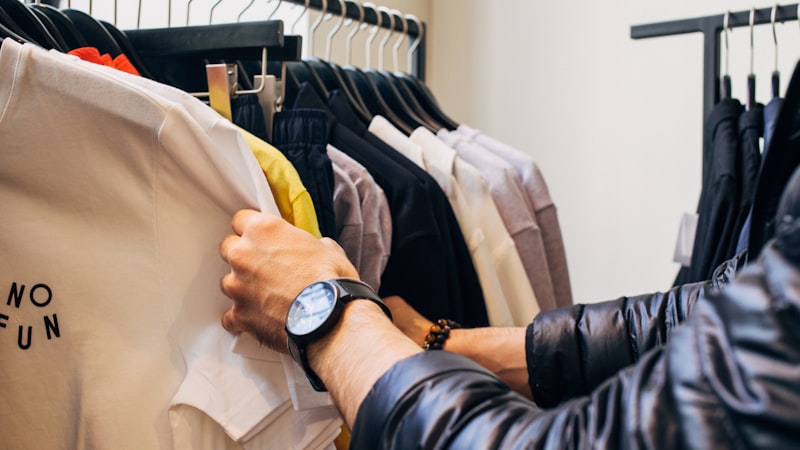
eBay has something curated resale sites don't: sellers who have no idea what they're holding. Closet cleanouts, estate clearances, donation shops listing whatever came in that week. Their listings are priced to move, not priced to market.
Finding them is a skill, and it comes down to one idea: search the way a casual seller writes, not the way a collector searches.
Think like the seller, not the buyer
Picture the person doing spring cleaning who finds an old pair of jeans and lists them in ten minutes. They don't know the jeans are 1980s orange-tab Levi's worth ten times their asking price. Their listing says "faded Levi jeans," because that's all they know, and they priced it at $15 after one glance at other old jeans.
That listing is invisible to everyone searching "vintage Levi's 501 orange tab," which is exactly why it stays cheap. Knowledgeable buyers and sellers use the precise vocabulary; bargains hide in the vague one. So search "faded Levi jeans." Search the words a non-expert would type.
The filter setup that hides resellers
A search like that returns 26,000 listings. Three settings cut it to a few hundred worth reading:
- Sort by newly listed, not best match. Best match surfaces sponsored listings and professional resellers; newly listed shows what just went up, before anyone else sees it.
- Condition: pre-owned. eBay forces every seller to set this, so it's reliable.
- Your size and your country, and nothing else.
What not to do: pile on the brand, style, material, and "vintage" filters. Those fields get filled in by resellers who know what they have. The casual seller filled in almost nothing, so every filter you add is another way to filter them out.
Save the search and let eBay hunt for you
Once the search is dialed in, save it. eBay emails an alert whenever a new listing matches, which means first look at exactly the kind of listing that gets snapped up in hours. This is how the standout finds happen: collectibles that normally sell for $400 surface at $60 because a donation shop listed one on a starting bid, and the people with the saved search saw it first.
Designer for a fraction of retail
The same approach works at the high end, where the listings come from people clearing storage rather than boutiques. Cashmere designer blazers that list new for $3,000 to $6,000 appear on eBay and consignment sites like The RealReal for under $200, sold by owners who just want them gone.
A useful division of labor: use Grailed or Pinterest as the mood board for what you actually want, then run the saved-search-and-wait play on eBay and The RealReal for those specific pieces. Patience is the whole strategy. The deals appear; the question is whether the alert reaches you or someone else.
Don't know what the item is called? Reverse image search
Screenshot the boots from the video, the lamp from the movie set, the jacket from the photo, and put the image into Google's image search or Lens. The results name the product, and if the exact item is unobtainable, they surface lookalikes. You can't search for a bargain until you know the words for it, and this is the fastest way to learn them.
Stay on the platform. Always.
eBay purchases are protected: wrong item, fake item, no item, and the money comes back through eBay or PayPal disputes. Every protection disappears the moment a deal moves off-platform.
So when a seller says "DM me on Instagram and we'll do this through PayPal friends and family," that is the entire red flag. Friends-and-family payments cannot be disputed. Whatever fee the seller is avoiding, the discount is not worth trading away the refund path. Decline and buy through the listing, or walk away.
Frequently asked questions
Is it safe to buy clothes and designer items on eBay?
Considerably safer than it used to be. Purchases through eBay checkout are covered by money-back protection for items that are fake, misdescribed, or never arrive. The main rule is to keep the entire transaction on the platform, since off-platform payments lose all protection.
How do you avoid fakes on eBay?
Check the seller's history and what else they sell (a closet-cleanout profile looks very different from a volume reseller), compare the item against manufacturer photos and model numbers, and remember that misdescribed items are covered by buyer protection if you paid on-platform.
Why sort eBay by newly listed instead of best match?
Best match promotes sponsored listings and established resellers whose prices already reflect market value. Newly listed shows undervalued listings the moment they appear, before other buyers find them, which is where the bargains are.