Deal-Hunting Guides
Free Trial Traps: How to Cancel Before the First Charge Hits
Has been buying open-box and returned stock for over a decade, and built Warehouse Watcher to stop losing track of it.
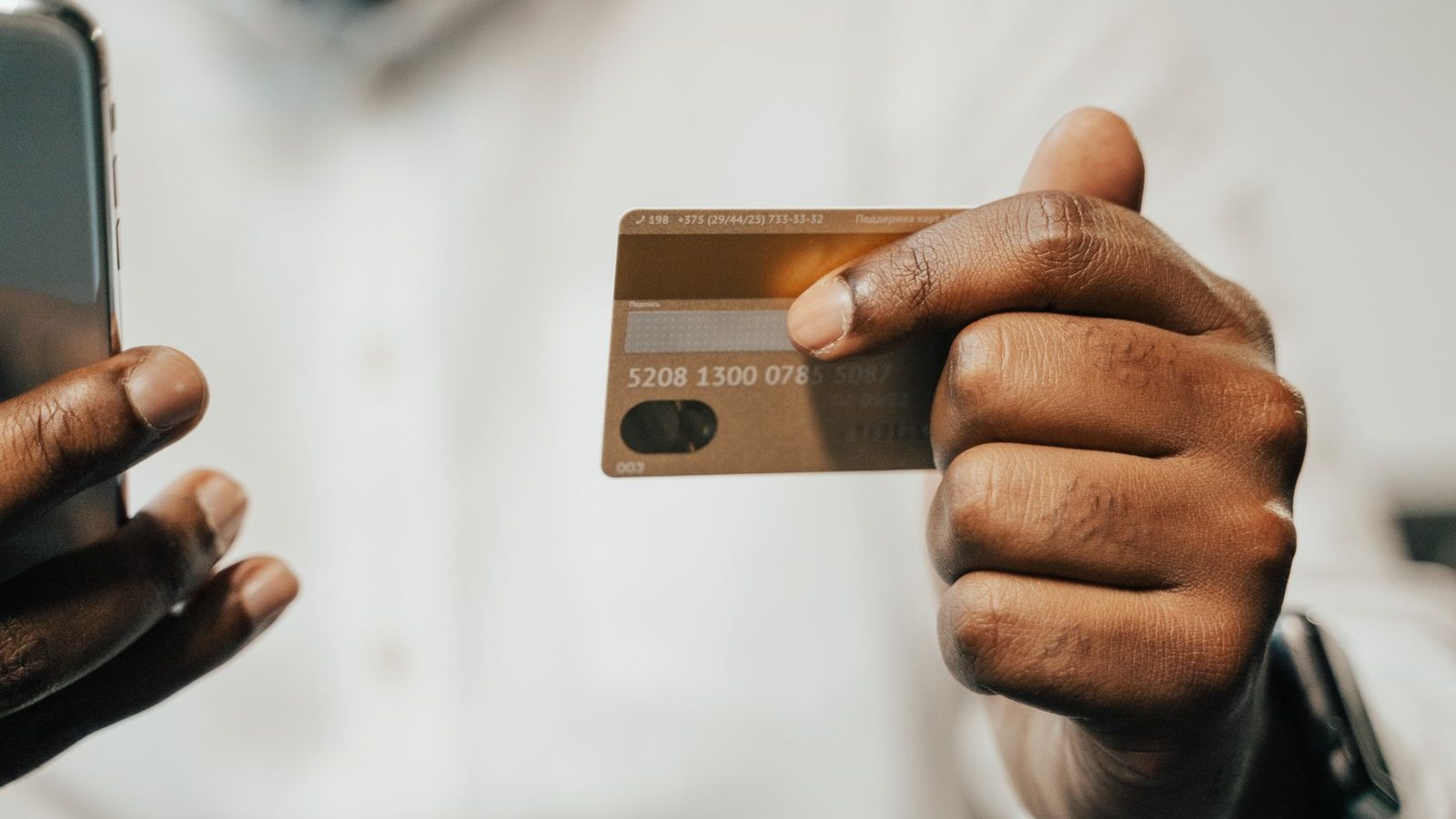
A free trial trap is simple: you hand over your card for a "free" month, forget the date, and the trial becomes a paid subscription. It is not an accident. The model is called a negative option: your silence counts as consent to keep charging you. A 2026 Dimers survey found 79 percent of Americans have started a free trial intending to cancel and then forgotten, paying $45 a month on average.
The fix is a 60-second routine at sign-up: cancel the auto-renewal the moment you join, set a reminder for two days before the trial ends, and never give a trial your real card number. Here is how the trap works, what forgetting costs, the routine that kills it, and your rights in the US, the UK and the EU.
Disclosure: As an Amazon Associate, Warehouse Watcher earns from qualifying purchases. Product links below are affiliate links and don't change the price you pay. Learn more.
How a free trial trap works
Every free trial that asks for a card is a paid subscription with a delayed start date: a price, a billing date and an auto-renewal, and the only thing standing between you and the charge is your memory. The industry name is a negative option: unless you act to decline, the seller treats your silence as a yes.
The trap gets its teeth from friction. Signing up takes one click and a card number; cancelling can mean digging through layers of account settings, sitting through retention offers and exit surveys, or phoning a call centre. Companies know most people will not bother: a 2026 Self Financial survey found 70 percent have forgotten to cancel a free trial at least once. Regulators have noticed too. In September 2025 the FTC settled with Amazon for $2.5 billion over Prime enrolment and cancellation, $1 billion in penalties and $1.5 billion in refunds to an estimated 35 million customers, after finding the sign-up was easy and the exit was not.
What forgetting a free trial actually costs
One forgotten trial is a small leak; several of them add up to real money. C+R Research asked 1,000 US consumers to estimate their monthly subscription spending, then itemise it: people guessed $86 a month and actually spent $219, a gap of $133 a month, about $1,600 a year. In the same study, 74 percent said recurring charges were easy to forget and 42 percent admitted paying for a service they no longer used.
A 2025 CNET survey of 2,440 US adults put the total at close to $1,100 a year on subscriptions, roughly $200 of it for services rarely or never used. In the UK, a Monzo survey of 2,000 adults in January 2026 found average spending of £38.18 a month, one in five unsure how many subscriptions they had, and 38 percent hit with an unexpected charge, usually from a forgotten trial.
The 60-second system that kills free trial traps
Do these five things the moment you sign up, before you use the service. It takes about a minute, and it removes the trial from your memory entirely.
- Screenshot the terms: trial length, price after the trial, and the cancellation path. If the price is not shown before you enter card details, walk away.
- Set a reminder for two days before the trial ends, with the cancellation link and end date in the reminder itself.
- Cancel the auto-renewal right away. Most services, Amazon Prime among them, let you cancel on day one and keep the trial until it ends. Check the Amazon Prime free trial terms first; if cancelling early cuts access, fall back to the reminder instead.
- Run a monthly audit: search email for "trial ends", check your phone's subscription screens, and scan your card statement for charges you do not recognise.
- Decide what stays. If a trial earns its keep, compare annual against monthly billing; the annual vs monthly maths usually favours annual by two months, and the streaming subscription audit applies the same routine to services you already pay for.
Use a virtual card and the charge can't land
The strongest defence is to never give a trial your real card number. A virtual card is a number tied to your account that you control separately: set a spending limit, lock it to one merchant, pause it, or close it, and the merchant can never bill a number that no longer exists.
In the US, Privacy.com offers a free personal plan with up to 12 new cards a month, including single-use cards that close after one charge and merchant-locked cards you can pause in one tap. Set a $1 limit and the renewal fails. In the UK, the EU, the US and Australia, Revolut offers virtual cards on its free tier, with disposable cards on its paid plans. Capital One Eno and Citi's virtual account numbers offer the same trick for US cardholders.
Two caveats: a closed card stops the charge but does not cancel the contract, so still cancel properly, and check availability where you live. Privacy.com is US-only and needs a US bank account, and Revolut's features vary by country and plan.
Your cancellation rights in the US, UK and the EU
In the US, the headline rule changed in 2025. The FTC's click-to-cancel rule would have made cancelling as easy as signing up, but the Eighth Circuit vacated it on July 8, 2025, days before it took effect, and as of November 2026 there is no replacement in force. What still protects you is the Restore Online Shoppers' Confidence Act, which requires clear disclosure, your consent before charging, and a simple way to stop them. State laws go further: California has required a notice before a trial ends, naming the price and how to cancel, since July 1, 2025, and New York's amended law, in effect since November 2025, requires cancellation as easy as sign-up. Visa's rules also require merchants to warn you at least seven days before a trial ends.
In the UK, the Digital Markets, Competition and Consumers Act 2024 brings a subscription regime into force on January 1, 2027. Traders must give clear key information before you subscribe, send reminders before a trial ends or a contract renews, offer straightforward cancellation, and give a further 14-day cooling-off period after a trial ends or a 12-month renewal. If a required notice is not sent and you are charged, you are presumed entitled to a refund, and the Competition and Markets Authority can fine a trader up to £300,000 or 10 percent of worldwide turnover.
In the EU, the rules are already in place: online purchases carry a 14-day cooling-off period, and the Omnibus Directive requires advertised discounts to be measured against the lowest price in the previous 30 days. The same cooling-off rights apply at local stores such as MediaMarkt or FNAC.
Already charged? How to get a free trial refund
If a charge has already landed, do not write it off. Cancel immediately and screenshot the confirmation: that timestamp is your evidence. Then contact support in writing and ask for a refund, pointing to the missing reminder or the cancellation path you could not find. Many companies refund a first charge without a fight.
Third, if support refuses, dispute the charge with your card issuer and send screenshots of your cancellation attempts and the terms you were shown. Fourth, report the company: ReportFraud.ftc.gov in the US, the Competition and Markets Authority in the UK, or your national consumer authority in the EU. Reports are how the next enforcement case gets built. And if the trial was for a gadget or streaming device, check the US deals, Canada deals or UK deals feeds before paying full price.
Frequently asked questions
Can I cancel a free trial right after signing up and still use it?
Usually yes. Amazon Prime is one of the good ones: cancel during the trial and your benefits run until the end date, and most streaming and app trials work the same way. A few cut access the moment you cancel, so check the terms first; if they are unclear, cancel two days before the end date instead.
Is it illegal for a company to make cancelling hard?
It depends where you live. In the US, the Restore Online Shoppers' Confidence Act and state laws in California and New York require clear disclosure and a simple way to stop the charges. In the UK, the Digital Markets, Competition and Consumers Act brings mandatory reminders and straightforward cancellation from January 2027. In the EU, distance purchases carry a 14-day cooling-off period. There is no federal click-to-cancel rule in force in the US: the FTC's 2024 rule was vacated in July 2025.
What if a company refuses to cancel or refund me?
Cancel first and screenshot the confirmation, then ask support in writing for a refund, pointing to the missing reminder or the cancellation path you could not find. If the company refuses, dispute the charge with your card issuer and send the screenshots as evidence. Report the company too: ReportFraud.ftc.gov in the US, the Competition and Markets Authority in the UK, or your national consumer authority elsewhere.
How do I find all my active free trials?
Search your email for "trial ends", then check Subscriptions in Apple Settings and Payments and subscriptions in Google Play. Finally, scan the last 60 days of card statements for recurring charges you do not recognise. Do this audit monthly; it takes ten minutes.